 Plant As Deco
Small Room Decor
Wallpaper for Small Rooms: Which Wall Earns It
By Plant As Deco · Updated 14 November 2026
Wallpaper in a small room is the highest-risk surface in the apartment: done right it makes one wall the best wall in the place, done wrong it shrinks the room and takes a weekend of scraping to undo. The difference is three decisions — one wall, not four; a pattern scale that fits the wall it is on; and a surface that was actually tested before the first strip went up. That is the whole plan, and it costs one roll and a smoothing tool, not a decorator.
Weekend-ready: $40–$160, one weekend. Peel-and-stick only — renter-safe, removable at move-out.
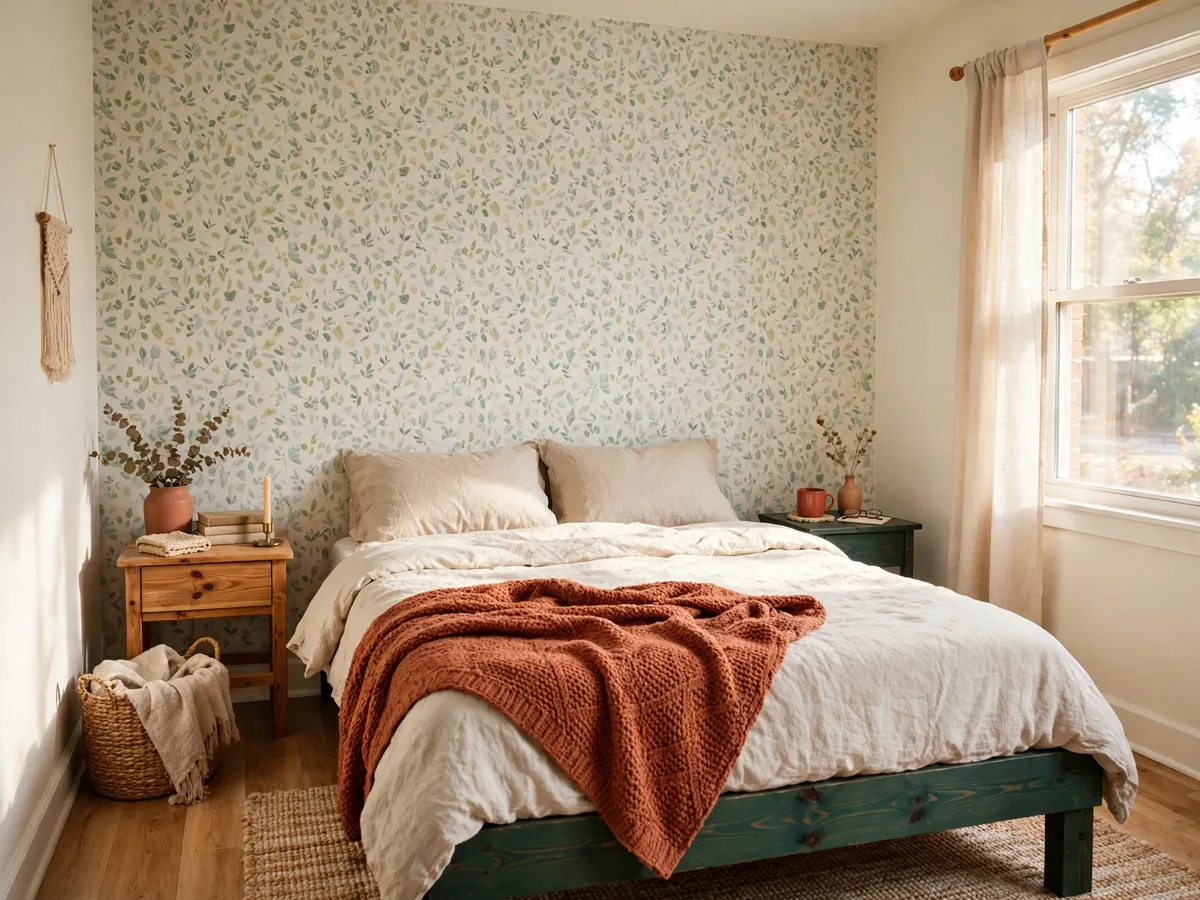
1. One wall, and it is the wall you already face
The room that gets wallpapered on four walls is the room that gets smaller, because every surface competes with every other and the eye has nowhere to rest. One wall is the ceiling, and the wall that earns it is the one you face when you walk in or sit down: behind the bed, behind the sofa, the wall at the end of the hallway. That wall becomes the focal point the room was missing, and the remaining three walls stay the warm neutral they already are. The rule is the same one the gallery wall guide runs: one wall, one story.
Cost: $0 to choose. Time: ten minutes, standing in the doorway looking at what the eye lands on first.
2. Small pattern, small room — the scale rule nobody expects
The instinct is that a small room needs a small print, and the instinct is half right: a tiny busy print on a big wall reads as noise, and a giant repeat in a small room reads as a wall coming at you. What actually works is a pattern whose repeat is small enough to read as texture from across the room and large enough to have a shape up close — the small leaf, the fine stripe, the little dot at two or three inches. Vertical stripes are the exception worth knowing: a fine stripe running floor to ceiling does more for a low room than any other pattern, because it draws the eye up. The big bold floral is the one to leave on the shelf. For the rest of the scheme the pattern joins, the neutral color guide is the three-color rule the paper has to obey.
Cost: $0 to choose. Time: twenty minutes with the sample strip taped to the wall and checked from the doorway.
3. Test the surface before you buy a second roll
Peel-and-stick fails on exactly two surfaces: textured drywall, where the adhesive has nothing flat to grab, and fresh paint that has not cured, where the paper pulls the paint with it at move-out. The test is one strip, one corner, one week: press a scrap into the corner behind the door, leave it seven days, and peel it back. If the strip comes away clean, the wall is ready. If it lifts paint, the wall needs a primer coat or the plan needs to move to a different wall. Prep is the other half: wash the wall with a damp cloth and let it dry completely, because dust under the adhesive is the second most common reason a strip peels at the seam. The paper that needs the wall prepped is the paper that also tells you what a paint job would need, which the cozy paint colors guide covers on the same wall.
Cost: $0 for the scrap test. Time: one week, and the test is the cheapest hour in the whole project.
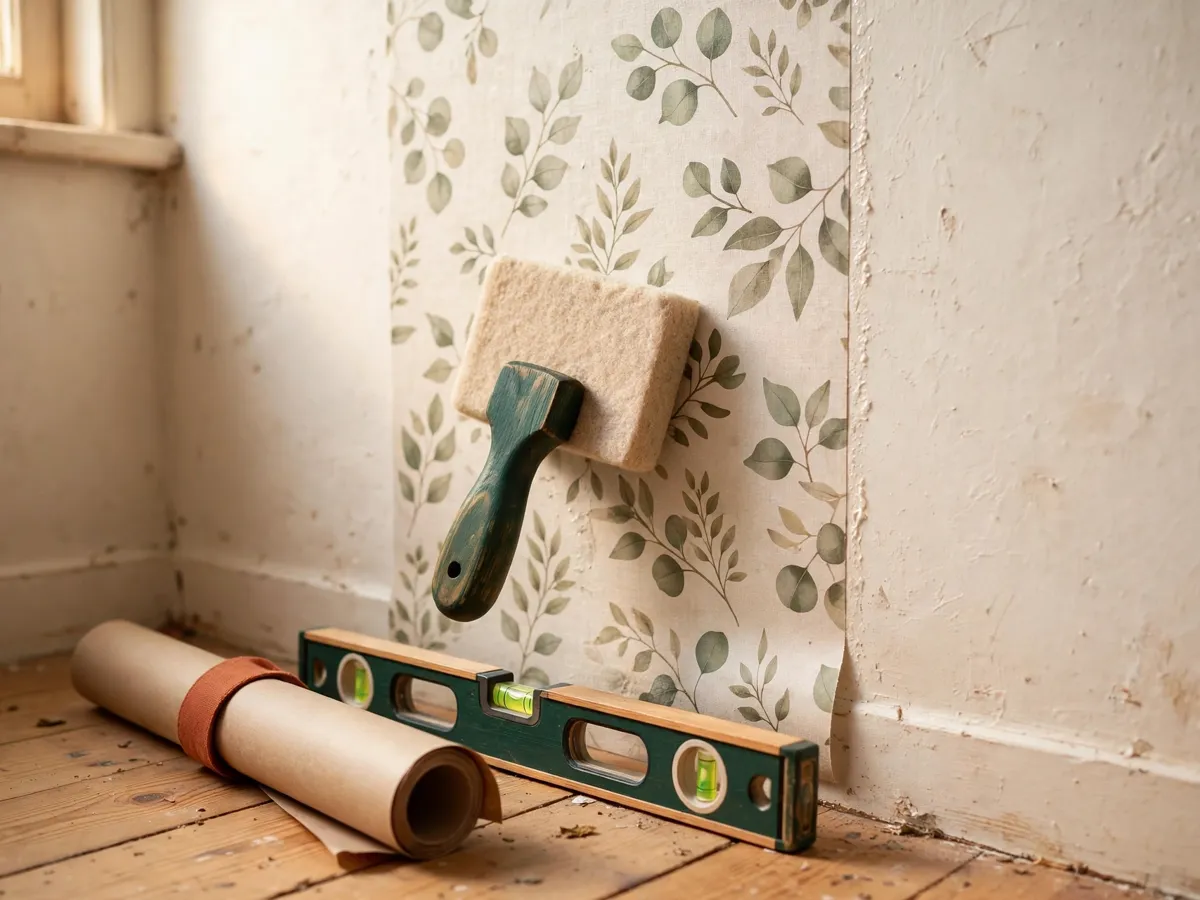
4. Hang from the top, work down, and keep the seams honest
The order that keeps a wall straight is: the level line first, the first strip on that line, and every strip after it butted against the last rather than against the ceiling. Working from the ceiling down is the mistake that puts the whole wall a half inch off by the third strip, because the ceiling is never as level as it looks. The smoothing tool goes down and out from the center of each strip, which pushes the air to the edges instead of trapping it in the middle. And the seams: butt them, do not overlap them, because an overlap reads as a shadow line from the doorway and it is the one flaw nobody can unsee.
Cost: $40–$160 for the roll and the tool. Time: one weekend for one wall, and the second wall is faster.
What we would skip
Skip the four-wall room, because the pattern everywhere is the pattern that shrinks the space. Skip the paste-the-wall paper in a rental, because the removal is a weekend of scraping and a deposit conversation. Skip the textured drywall wall, because the adhesive has nothing to hold and the strips lift at the edges within a month. The one thing worth the money is the sample strip, because the seven-day test is what tells you whether the whole wall is a good idea.
Cost: $0. Time: the decisions that keep the room to one wall.
Honest costs: where the money actually goes
One-wall route: $40–$160 for a single roll and a smoothing tool, one weekend, and the wall is the best wall in the apartment. The costs that surprise people are the extras: a second roll for a wall longer than the label promises, the primer for the wall that failed the strip test, and the utility knife blade that goes dull halfway through. Budget one extra roll and one primer, and the project stops surprising you.
Cost: $40–$160 for one wall, plus about $15 for the extras people forget. Time: one weekend, and the test is the wall from the doorway.
Before you order the roll: copy this
- One wall chosen: the one you face walking in or sitting down
- A small-scale repeat, or a fine vertical stripe for a low room
- The seven-day scrap test in the corner, before any order
- The wall washed and bone dry, with no dust under the adhesive
- A level line at the top, strips butted not overlapped
Cost: $0 to check. Time: fifteen minutes plus the week of waiting, before the first roll.
Questions renters ask
Does wallpaper make a small room look smaller?
A busy print on every wall does. One wall in a small-scale pattern or a fine stripe makes the room read deeper, because the eye gets a focal point instead of four competing surfaces. The wall count is the whole difference.
Will peel-and-stick damage the paint?
It can, on fresh paint and on badly primed walls, which is exactly what the seven-day scrap test tells you before you commit. On a cured, well-primed wall it usually comes away clean — and the strip test is the honest answer for your specific wall, not a general promise.
What about textured walls?
Skip them. The adhesive needs a flat surface, and the orange-peel or knockdown texture leaves the paper sitting on the peaks with air behind it. The test strip does the same thing on a textured wall in a week that the whole roll would do in a weekend.
Which wall in a small bedroom should I wallpaper?
The wall behind the bed, because it is the one the room faces when you walk in and the one the headboard already anchors. It is also the wall with the least furniture in front of it, which means the pattern gets read instead of blocked.
Save these on Pinterest
Pin the one-wall rule first, because it is the decision that keeps the pattern from shrinking the room. The hanging hardware and the wall ratings are in the renter wall guide, and the wall that earns the pattern in a narrow space is in the hallway guide. Both sit in the Small Room Decor collection for the next wall you paper.