 Plant As Deco
Gardening & Planting Tips
Raised Bed Garden Soil: Fill Layers and What the Soil Actually Costs
By Plant As Deco · Updated 16 November 2026
The bed frame is the cheap part. The moment it stands empty in the yard, a 4x8 rectangle ten inches deep asks for about 27 cubic feet of something to grow in — and bought bag by bag, that is the most quietly expensive line in the whole project. This page walks the fill from the bottom up: how much soil the bed actually holds, what can go in the bottom half for free, the three-part mix worth buying for the top, what bags versus bulk really cost, and the yearly refresh that keeps it all working.
Weekend-ready: $30–$110, one afternoon. The bought half of one bed, layered over free fill from the yard — no dig into the ground below.
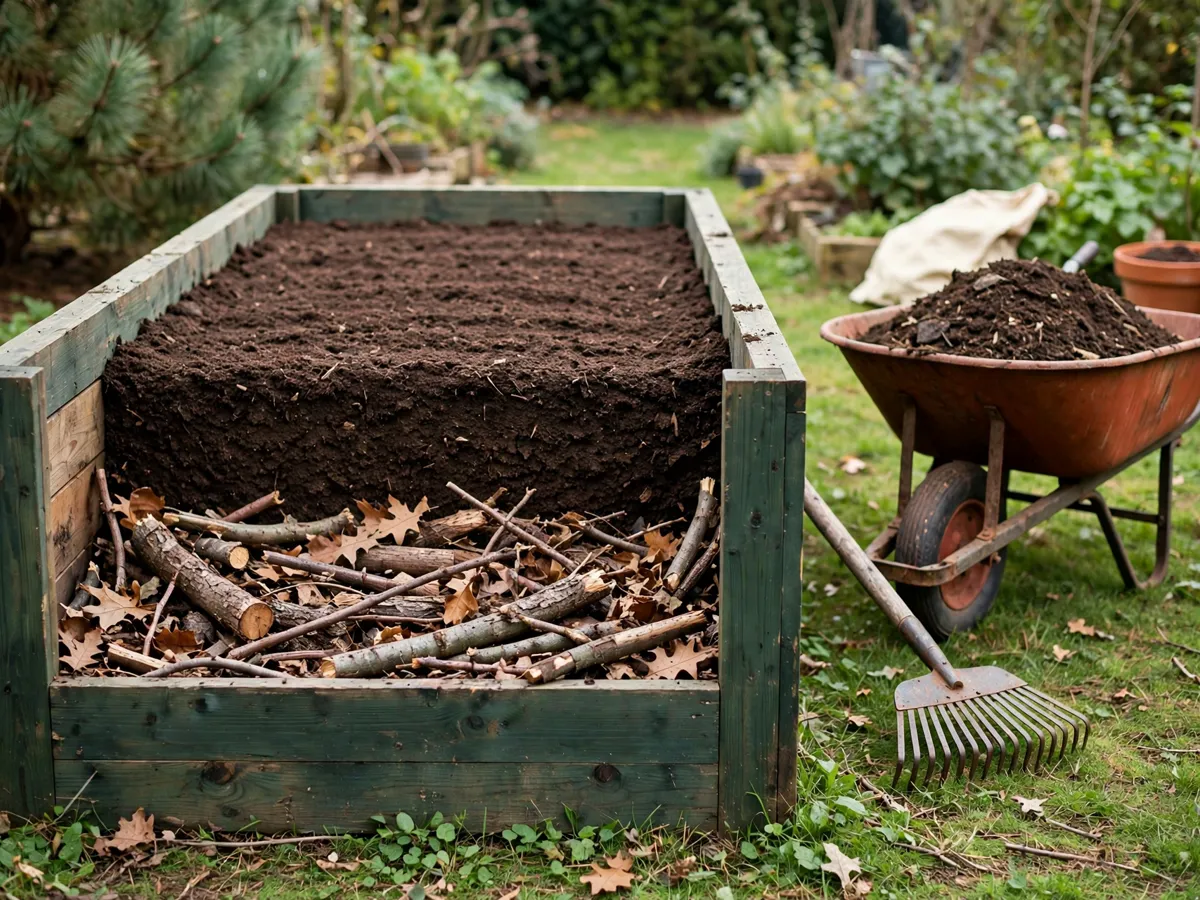
1. How much soil the bed actually holds
Every price in this article comes back to one number: cubic feet. The math is length in feet times width in feet times depth in feet — so a 4x8 bed ten inches deep is 4 × 8 × 0.83, about 27 cubic feet. Write your own three measurements down before you shop, because the difference between a 4x4 and a 4x8 bed is a doubling of every bag and every dollar in this article.
The table below carries the four sizes most plans use, in both depth options. The bag column counts 1.5 cubic foot bags, the size garden soil and compost are sold in at every big box store; the bulk column converts the same volume to cubic yards, the unit landscape yards sell by (one cubic yard is 27 cubic feet).
| Bed size | Cubic feet | Bags (1.5 cu ft) | Bag cost | Bulk equivalent |
|---|---|---|---|---|
| 4 x 4, 10 in deep | 13.3 | 9 | $54–$108 | ~½ cubic yard |
| 4 x 8, 10 in deep | 26.7 | 18 | $108–$216 | ~1 cubic yard |
| 4 x 4, 12 in deep | 16 | 11 | $66–$132 | ~⅔ cubic yard |
| 4 x 8, 12 in deep | 32 | 22 | $132–$264 | ~1¼ cubic yards |
Depth is the quiet variable. Ten inches grows the same salad and peppers as twelve, and the two extra inches on a 4x8 bed cost another six bags. Buy depth when the plants or your knees ask for it — carrots and deep-rooted tomatoes — not because the plan looked generous.
One boundary worth drawing: this page is only about what goes inside the bed. How wide to build it, where it stands for sun, and what to build it from are settled in the raised bed guide — start there if the frame does not exist yet.
Cost: $0. Time: 10 minutes with a tape measure and a calculator. The number you write down here decides every receipt after it.
2. Fill the bottom half for free
Roots of vegetables, herbs and flowers do most of their feeding in the top six to eight inches of the bed. Everything under that only has to hold water and take up space — which means the bottom half can be made of things the yard already produces. This one decision cuts the purchased volume of a 4x8 bed from 27 cubic feet to about 13, and it is the reason this article's numbers stay in the double digits.
The classic stack, bottom to top: small logs, branch prunings and woody stems go in first, laid loose to the halfway mark; then a layer of fallen leaves, spent plants and grass clippings, watered in as you go; then the bought mix finishes the top six to eight inches, level with the board. The woody layers settle over the first season — expect to top-dress an inch in spring — and they hold water in the bed the way a sponge does.
When the ground below is grass: lay flattened cardboard over it first, overlapping the seams by a few inches. It shades out the grass without digging, breaks down in a season, and lets the roots pass once it is gone. Skip glossy print and packing tape; plain brown cardboard only.
When there is no yard waste to use — a balcony build or a new-build lot — the straight mix is the fallback and the expensive option: the whole bed bought. Even then, one or two bags of dry leaves from a neighbor, or the leaf bags set out on the curb in fall, do the same job the store sells as "garden filler".
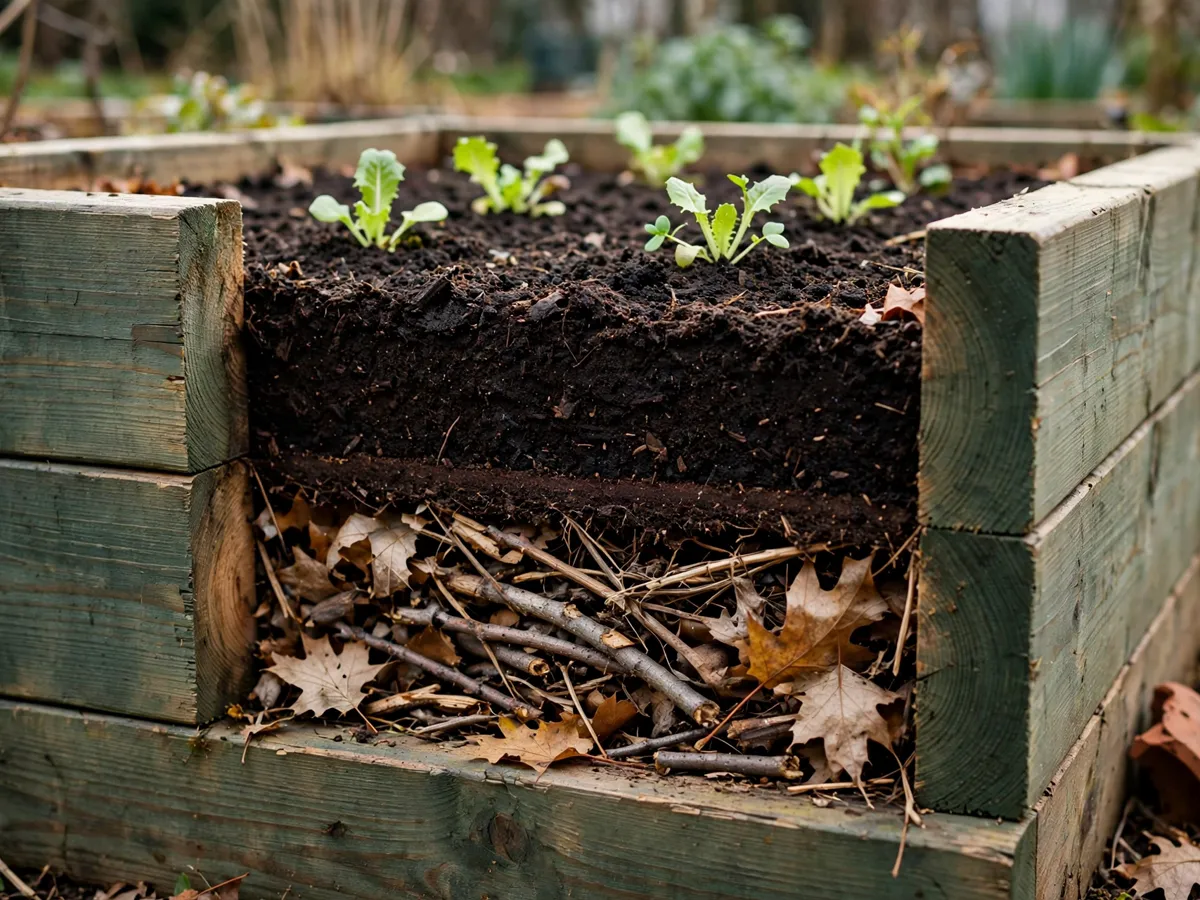
What does not belong in the layer stack: anything treated, painted or pressure-glued, and no walnut — fresh walnut leaches compounds that stunt tomatoes. If the pile came from a treated fence or a mystery source, it goes to the curb, not under the vegetables.
Cost: $0 in a yard with a pruning pile. Time: 45–60 minutes of layering and watering in. The settling is normal — plan the spring top-up now.
3. The top mix: three parts, one honest ratio
The bought half should be a mix, not one product. Straight compost is too rich and sinks to mud; straight topsoil is cheap but flat; straight "raised bed soil" in a printed bag is somebody else's mix with a markup. The useful starting ratio is roughly half topsoil, a third compost, and a small remainder of something that keeps it loose.
- Topsoil (about half). The bulk of the bed and the cheapest cubic foot on the shelf. It is the body the roots anchor in; it holds water and minerals without the sink of pure compost.
- Compost (about a third). The feeding layer. Any finished compost works — bagged, from a local yard, or your own bin if it is done and dark.
- Loosener (about a fifth). Coarse material that keeps the mix breathing: grit, coarse sand, or spent potting mix you already have. This is the slot where expensive bags of vermiculite get sold — the skip box below covers them.
The famous one-third compost, one-third peat, one-third vermiculite recipe works — it was written for square-foot gardening in boxes a few feet wide. Scaled to a 4x8 bed it runs three to four times the price of the topsoil blend, because two of its three parts are premium products bought by volume. It is a recipe for a 4x4 starter bed, not a budget for a yard.
Blend on a tarp or in the wheelbarrow, moisten until a squeezed handful holds together without dripping, then fill the top half of the bed and level it. Do not compact it — a light pass with the flat of the hand is enough, and walking on a finished bed is the fastest way to turn the mix back into a brick.
Cost: $40–$110 for the bought top half of a 4x8 bed. Time: 60 minutes to blend, move and level. Aim the ratio, do not measure it to the cup — the plants read texture, not fractions.
4. Bags or bulk: the price per cubic foot, honestly
Bagged soil at $6–$12 for 1.5 cubic feet works out to $4–$8 per cubic foot. A bulk blend from a landscape yard runs $30–$60 per cubic yard before delivery — $1.10–$2.20 per cubic foot — with a $20–$50 delivery fee on top. Bulk wins the unit price by roughly three times, and the delivery fee is the whole story: on one bed the fee erases the savings, on three or more beds it pays for itself and then some.
The honest rule for a first season with one bed: buy bags. Eighteen bags is a flat of soil that fits a car trunk, no delivery window, no minimum order, no shovel work from a pile in the driveway. The moment a second and third bed appear in the plan — or the neighbor wants to split a delivery — call the local yard, ask for their "planting blend" or "garden mix" by the yard, and schedule a single drop.
One warning that lives between the two options: bulk blends vary yard to yard, and the cheap end of the range is sometimes screening leftovers — rocky, woody, or heavy with clay. Ask what is in the blend and look at it before it is loaded. A good yard will let you see the pile; a yard that will not, will not.
Cost: $4–$8 per cubic foot in bags, $1.10–$2.20 plus delivery in bulk. Time: one trunk of bags or one delivery day. Split a delivery with a neighbor before paying for your own.
5. Mulch: the top layer that pays its own bill
Mulch is not decoration on top of the soil — it is the layer that keeps the expensive part of the bed from drying out and washing away. One to two inches of straw, shredded leaves or dry grass clippings around the plants, kept an inch back from the stems, slows evaporation on a hot balcony or yard and softens the rain that would otherwise crust the surface. Over a season it breaks down into the top of the mix and counts as a light feeding.
A straw bale at $8–$15 covers two or three beds with mulch to spare, and it does double duty as a knee rest while you work. Shredded leaves are free if a yard has trees, and they are the same material as the free middle layer — just applied on top a season later. Wood chips belong on the paths between beds, not on the bed itself: they are slow to break down and they belong underfoot.
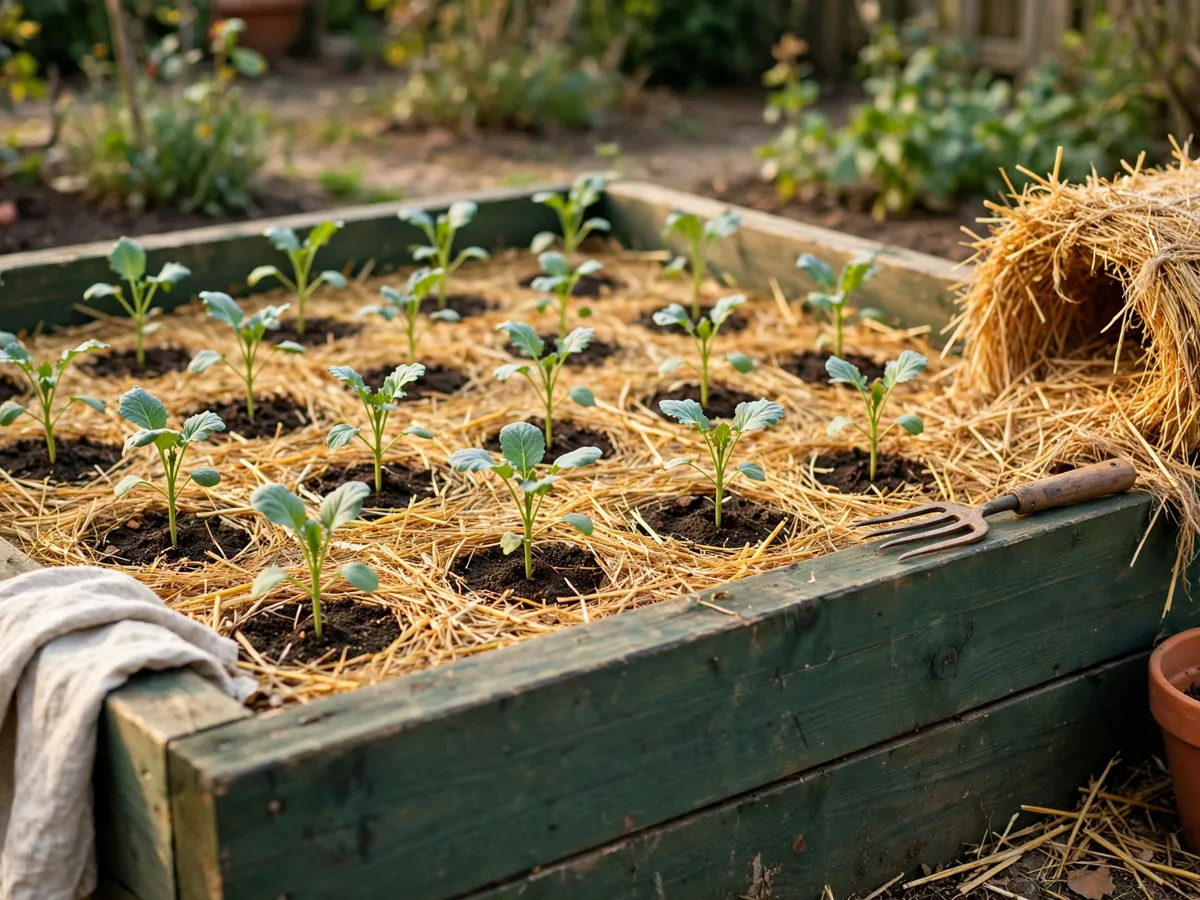
Cost: $8–$15 per straw bale, or free leaves. Time: 15 minutes per bed. Keep it thin and keep it off the stems — mulch against a stem holds the wet against it.
6. The yearly refresh: one bucket, not one rebuild
A raised bed is not filled once. The free layers settle, the mulch and the compost break down, and the level drops an inch or two by the second spring — that drop is the budget of the bed literally becoming soil. The fix is the whole maintenance plan: once a year, in spring before planting, spread one to two inches of compost over the top and fork it into the top few inches, then re-level.
For a 4x8 bed that is two or three bags of compost — $10–$20 and twenty minutes. No digging the bed out, no replacing the soil, no new fill bought by the yard. The bed that gets its yearly inch keeps its level, its feeding and its texture; the bed that does not, slowly becomes a shallow, tired box that gets rebuilt in year three instead of refreshed in spring.
Cost: $10–$20 per bed per spring. Time: 20 minutes. The inch you top-dress in April is the inch you do not shovel out in year three.
What we would skip
Skip the printed-bag "raised bed soil" at a premium — it is the same three parts of the mix above, pre-blended at a higher price per cubic foot. Skip the landscape fabric under the bed: it does not stop the roots you want and it does stop the worms that would work the bed for free, and cardboard does the grass job better for nothing. Skip vermiculite and perlite at big box prices for full beds — they are potting-mix ingredients priced for pots, not cubic yards. Skip potting soil entirely; it is too light to hold water in an open bed. And skip the soil test kits at the register on a first bed — the mix above and the plants' own first season will tell you more, and a real lab test through a county extension is cheaper when you actually need one.
Cost: $0 to skip. Time: five minutes striking them off the list — the money stays in the same pocket the bags came out of.
The before-you-fill checklist
- Bed measured in feet, depth included — cubic feet written down
- Bag count and bulk equivalent both priced before anything is bought
- Bottom-half fill gathered: prunings, leaves, grass, plain cardboard
- No treated lumber, no painted wood, no walnut in the layer stack
- Cardboard laid over grass, seams overlapped, tape removed
- Top mix in the ½ topsoil · ⅓ compost · remainder loosener shape
- Mix moistened before filling, leveled, not walked on
- Mulch 1–2 inches on top, held an inch off the stems
- Spring top-dress written into the calendar — one to two inches of compost
Cost: $0 to run. Time: 15 minutes against the list.
Questions beginners ask
How much soil do I need for a 4x8 raised bed?
About 27 cubic feet at ten inches deep — 18 bags of 1.5 cubic feet, or one cubic yard in bulk. Filling the bottom half with yard prunings and leaves cuts the bought half to about 13 cubic feet.
Can I fill a raised bed with just compost?
No — straight compost is too rich and packs into mud by midsummer. Aim for roughly half topsoil and a third compost, with a small share of coarse material keeping it loose, in the top half of the bed.
What is the cheap way to fill a raised bed?
Fill the bottom half free: logs, prunings, leaves and grass clippings watered in, over cardboard if grass is below. The roots feed in the top six to eight inches, so that is where the bought mix goes — it turns a $200 fill into a $60 one on a 4x8 bed.
Is bulk soil cheaper than bags?
Per cubic foot, yes — roughly three times cheaper before delivery. But the $20–$50 delivery fee means the savings only clear on three or more beds, or a split delivery with a neighbor. One bed: bags.
Do I need to replace raised bed soil?
Not if it is refreshed. The level drops as the layers break down, so once a spring, spread one to two inches of compost over the top and fork it in — $10–$20 and twenty minutes per bed, instead of digging the bed out and refilling it.
Save these on Pinterest
Pin the volume table — the cubic-feet math is the number you will want again at the store — then the free-layer stack and the yearly refresh. The Gardening & Planting Tips collection holds the rest of the small-space growing ideas.