 Plant As Deco
Small Room Decor
Color Drenching: One Paint Color on Walls, Trim and Ceiling
By Plant As Deco · Updated 22 November 2026
Color drenching means one paint color on the walls, the trim, the ceiling and sometimes the doors, so a small room reads as a single volume instead of a box with white lines. The name is a trend label. The move is old, and period homes ran whole rooms in one lacquer. This is the small-room version: the paint math, the undertone trap, and the honest read on where a drench helps a small room and where it swallows one.
Weekend-ready: $90–$170 in paint for a powder room, one weekend per room. Renter-safe where the lease allows a repaint, and the test patch always comes first.
1. What color drenching actually is
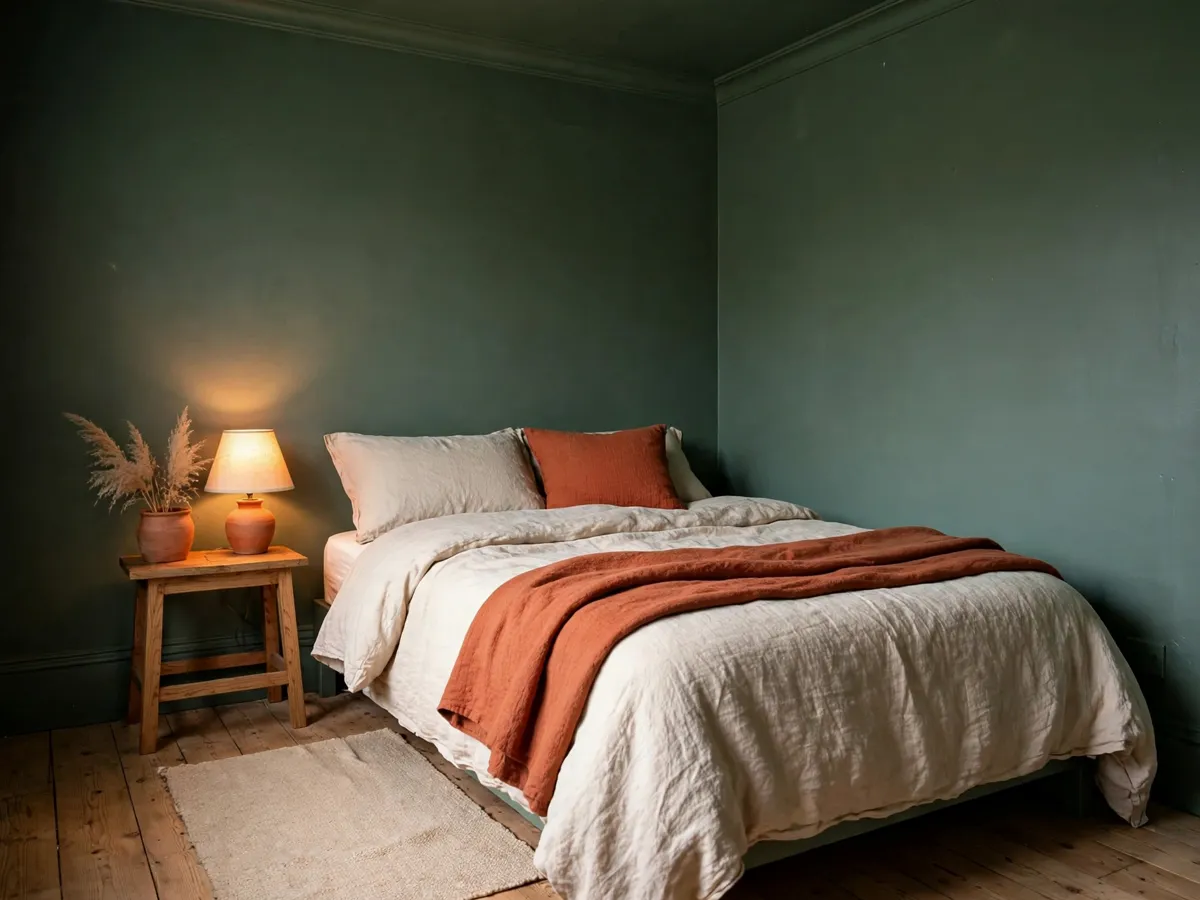
One color, every surface. The walls, the ceiling, the baseboards, the window frames, the door frames, and sometimes the doors all take the same paint, so the room stops being a box with white lines and reads as one continuous surface. The trend name is new and the move is old: painted libraries and lacquered dining rooms were doing this a century ago, because a room wrapped in one deep color reads as deliberate rather than decorated.
What the one color actually does is remove edges. White trim draws a bright line at every corner and every frame, and the eye uses those lines to measure the room. Count the lines, count the room as small. Take the lines away and the eye stops counting boundaries. That is the whole mechanism, and it belongs to small rooms: a big room has furniture and distance to carry itself, and a small room has lines.
Cost: $0 to understand. Time: 5 minutes, and it is the decision the rest of this page hangs off of.
2. Why one color can make a small room feel bigger
The instinct says a dark wall shrinks a room. The honest version is quieter: contrast is what measures a room. A colored wall with white trim is high contrast, and every white line works as a ruler mark. One color everywhere is low contrast, and the eye cannot find the corners, so the walls read further away and a small room reads endless rather than cramped.
A drenched small room reads like the inside of a lined box: one material, one color, intentional. A drench does not add a single inch of floor. It trades measurable space for atmosphere, and in a room the size of a parking space, atmosphere can be worth more than inches.
The honest limit is light. A deep drench under one sad ceiling bulb reads as a cave and shows every dust line and brush mark, and a room with neither a window nor a lamp plan should step to a mid depth before it commits.
Cost: $0 to read the room. Time: 15 minutes at three times of day, and it decides the depth you buy.
3. The undertone trap
Here is the trap nobody puts on the chip rack: drenching multiplies the undertone of the color. A gray that reads calm on a two-inch chip can carry a blue undertone, and on four walls plus a ceiling it reads blue by evening lamp light. A beige with a pink undertone reads salmon on 300 square feet.
The rule that saves the project: pick the color you want more of, not the one that reads safe on a small chip. A chip reads safe because the white of the card dilutes it. Drenched, it has nowhere to hide. Undertones come from the tint recipe, and two neighbors on the same card can carry different ones, so sample pots of three close tones, brushed on the actual wall, are the only honest read.
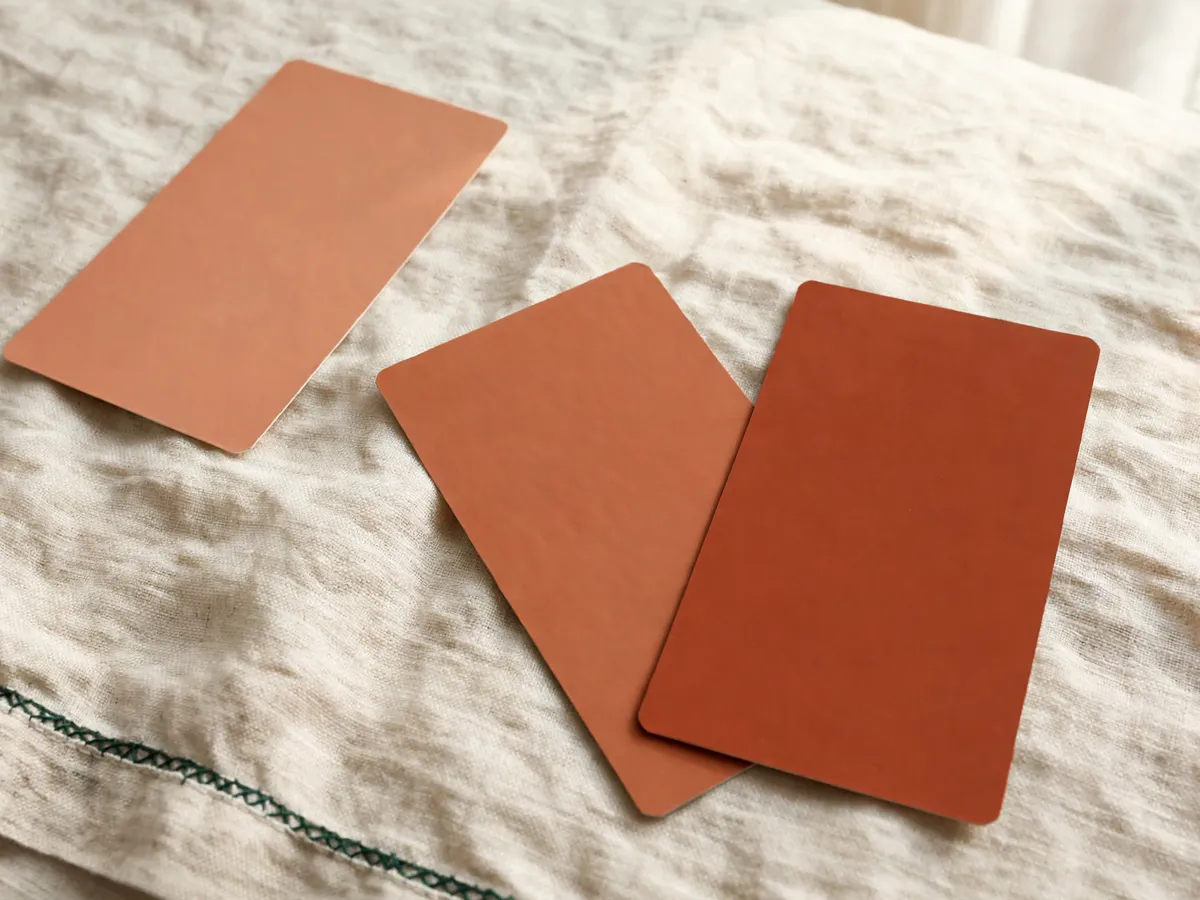
Cost: $10–$25 for three sample pots. Time: 20 minutes to brush them on, one evening to read them.
4. The test patch, done properly
Sample pots belong on the wall, and the patch needs to be wall sized: at least two feet by three feet, two coats, at eye height, on the wall you will actually paint. One coat lies about depth, and a patch smaller than your torso lies about the room. Two coats on a big patch is the only honest preview of a drench, because a drench is depth times area.
The peel-stick route earns its money here. Large peel-and-stick blank sample sheets, painted with the sample pot and stuck to the wall, let you move the patch from the north wall to the window wall in ten seconds and stack three candidates side by side. At the end they peel off clean, which matters in a rental: the patch survives the move-out and the wall under it stays untouched.
Then live with it: morning, noon and night, with the lamps you own switched on, because a drenched room changes more through the day than a neutral one. One visit at noon is a snapshot. The test-square rule that protects an accent wall applies here with less room for error, because the whole room goes at once.
Cost: $8–$15 in sample pots and one peel-stick sheet. Time: 30 minutes to paint, two days to judge.
5. How much paint, the real math
Coverage numbers are approximate planning figures, so treat them as rough and buy with a little slack. Plan roughly a gallon per 250 to 300 square feet of wall per coat, and a drench always takes two coats, because one flat expanse of color shows every lap mark. The part people forget: a drench counts the ceiling too, so the surface is walls plus ceiling plus every trim face, all in the one color.
Run it for the classic rooms. A powder room about five by eight feet with an eight-foot ceiling carries roughly 250 square feet per coat, so two gallons with a third for the door and touch-ups. A ten by ten bedroom runs about 420 per coat, 840 for two, which lands at three to four gallons. Measure with a tape, write the number down, then shop once.
The batch note is the one nobody writes down. Have every gallon tinted in the same batch run, pour the cans together into one large bucket, and stir before painting. Cans from separate tint runs can sit a shade apart, and a drench has no white trim to interrupt the wall, so the seam between the Saturday wall and the Sunday wall shows.
Cost: $0 and a tape measure. Time: 10 minutes, and it saves the midweek paint run.
6. The ceiling question
The full drench takes the ceiling in the same color, and the room reads as one volume from floor to lid. In a room with normal height and some daylight, this is the version that earns the photographs: no lid line, no corner line, the color just continues.
The compromise is one volume, two depths: walls and trim in the drench, ceiling one or two shades lighter from the same color family. Reach for it when the ceiling is low, the room is dark and north-facing, or the pick is very deep. A near-black lid over a small room presses down, and a lighter ceiling in the same family keeps the volume effect at eye level.
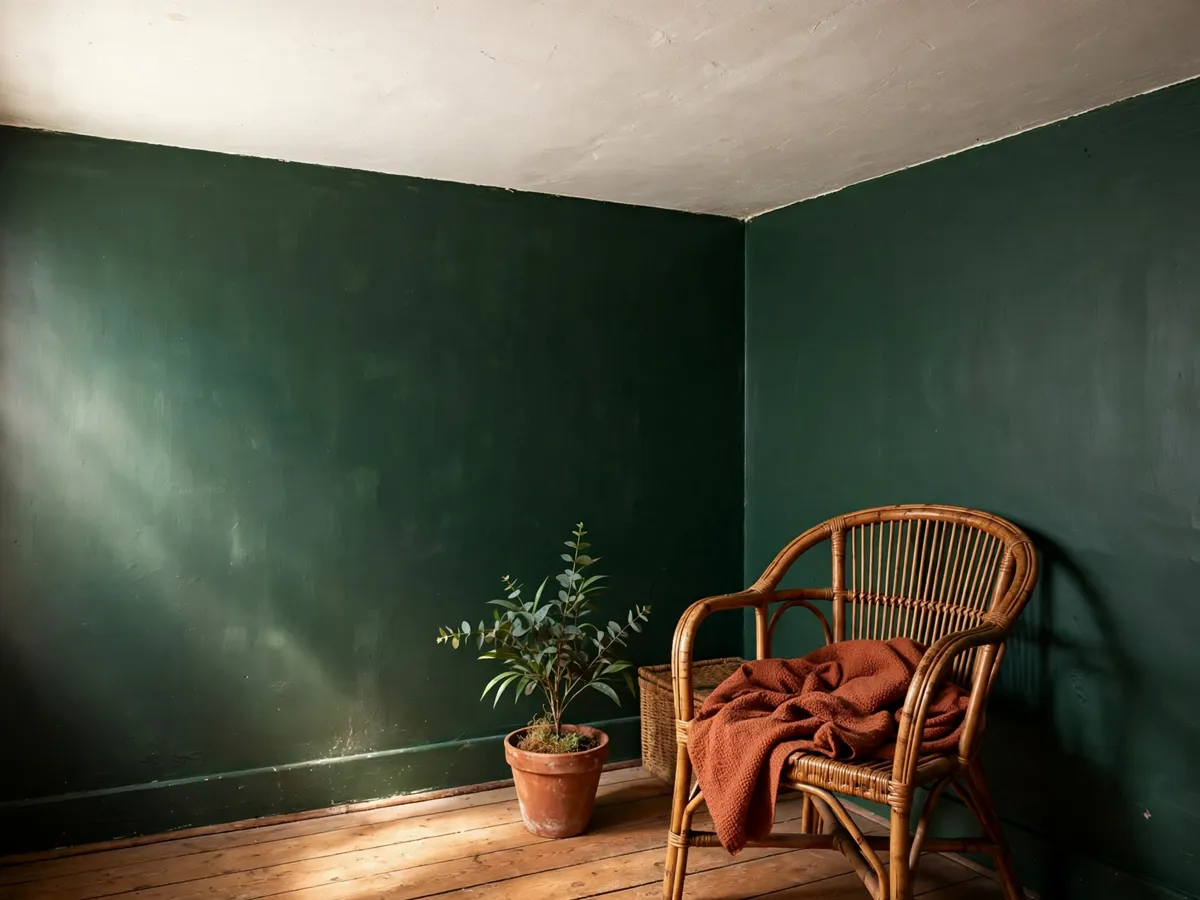
The family matters more than the depth. A ceiling two shades lighter in the same undertone reads as a soft gradient. A ceiling in a different undertone reads as a mistake, and the lid line comes back louder than white ever drew it. Tape the ceiling candidate flat against the ceiling and read it at night before committing.
Cost: $0 to decide, or one extra sample pot for the ceiling candidate. Time: 10 minutes with the swatches taped up.
7. Trim inside a drench
Trim is where a drench is either won or flattened. Same color, same sheen, and the trim disappears into the wall: doors, frames and baseboards included. That is the invisible trim effect, the flattest and most seamless read a small room can get, and the cheapest fix for trim you do not love. Old aluminum thresholds, mismatched patch jobs, a door that survived three tenants: one color buries the mismatched repair history.
Same color, higher sheen on the trim, and the light catches the trim faces and draws a subtle outline of every door and window. It reads crisp and a touch formal, and in a den or a dining nook it can be the right call. In a genuinely small room that outline re-measures the box you just unmeasured, so hold it for rooms with some floor to spare.
The honest pick for a small room is same color with the same or a close sheen. A higher sheen also highlights every dent and brush mark in old trim, and a matte hides them, so run a hand along the trim before you choose.
Cost: $0–$25 if the trim needs a primer quart. Time: 30 minutes to clean and prime the trim before the color goes on.
8. Sheen picks inside a drench
Sheen is a color decision in a drench, because a big flat expanse shows the finish honestly. A matte reads deepest and hides roller texture and old wall patches best, and it also reads chalky in a dim room and scuffs where hands and vacuum cleaners rub. An eggshell lifts the color slightly, wipes down, and survives a hallway. That is the trade: matte for depth, eggshell for wear.
The rub zone decides. Walls above waist height in a calm bedroom: matte. A hallway, the wall behind a chair, the door frame everyone touches: eggshell. The drench can even split them, the same color in eggshell on the rub walls and matte above, and nobody can see the seam at the chair rail line.
The satin trim versus matte wall question inside a drench: same color, two sheens, and the light does the outlining. It is the soft cousin of the white trim line, and a style call rather than a rule. In a small dark room, a matte wall beside a satin door can read as two different colors at night even when the can says one.
One honest note on very dark drenches: very dark, very matte and underlit is the recipe for a cave, and it shows every dust line and brush mark. The fix is rarely a lighter color alone. A mid-depth pick, an eggshell finish, and one real light source carry a small room better than a near-black matte.
Cost: $0, the same can either way. Time: 5 minutes at the counter, and it sets the mood of the whole room.
9. Which rooms to drench first
The first drench should be the smallest room you are willing to give a weekend. The classic is the powder room: about five by eight, one door, no window needed, two to three gallons, and the biggest payoff per dollar in the house. The door closes on it, so the color never has to negotiate with the rest of the apartment.
After the powder room, the shortlist is a hallway, which has no furniture arguing with the color; a den or a small reading nook, where intimate is the goal; and the alcove around a reading chair, drenched as a color pocket. These rooms are enclosed enough that the one color wraps and holds.
Two underdogs worth naming. A room with ugly trim, old aluminum frames or a wall of patched drywall, because one color buries the repair history that a light neutral shows off. And a rental you are allowed to paint: confirm the lease first, and read the renter version below before the can comes out.
Cost: $90–$170 for the powder room, paint and supplies. Time: one weekend, one room, and the hallway the weekend after.
10. Where drenching loses
The room you plan to resell. A drench is a personal signature and buyer taste is unknown, so some buyers read a bold room as a weekend of priming they did not budget for. If the exit is within a couple of years, drench a room the listing never leads with, or plan the neutral repaint into the cost before you start. The neutral color scheme guide covers what reads calm to the most eyes.
The room with a moisture history. Paint does not fix mold or a water problem. A stain that keeps coming back is a leak or a condensation issue, and a deep color only hides it until the next damp week. Find the source, fix it, let the wall dry, prime the stain, then paint.
The basement room with no window and a near-black pick. This is where the trend swallows a room whole. The honest move in a windowless space is a mid-depth drench, an eggshell finish and real lighting, and the no-window small room guide carries the rest of that playbook.
And the fair word for the neutral camp, which earns its place honestly: a light neutral hides dust, resells easily, and restyles with every new rug. A drench commits.
Cost: $0 to decide. Time: 15 minutes of honesty about the room, and it saves a repaint.
11. Light through the day
A drenched room changes color through the day more than a neutral one, because there is so much of the color doing the changing. Warm lamp light at night pulls a green toward olive and a clay tone toward rust. A north window pushes the same color grayer and cooler all day. A south window warms it by noon and flattens it by two on a bright day.
The deep sage that read calm at the sample counter can read as three different rooms by Thursday. That behavior is normal, and it is the reason the test patch gets a full day cycle before the gallons are mixed. Judge the patch at the hour you actually use the room: the bedroom at night with the lamp on, the powder room at noon with the door shut. Plan the light with the color, and the warm lighting guide for small spaces has the placement. In a drench, the lamp is part of the paint job.
Cost: $0, it is attention. Time: 10 minutes per time of day, three times, before you commit.
12. The renter version
Read the lease before the swatch. Some leases allow a repaint with the room returned in a neutral, some allow color with written approval, some forbid paint outright. The ones that allow it usually want the room back in the shape it started, so the honest plan is the paint plus the exit.
The reversible version: paint the drench, enjoy it, and budget the exit at the start, meaning the two neutral gallons and the afternoon of rolling that returns the room to a landlord-approved color before move-out. Two gallons of a flat neutral over a matte drench is usually one prime coat and one finish coat. Get the repaint agreement in writing.
If the lease says no paint at all, the color comes back in the things you own. The peel-stick sample patches still do the planning work, they peel off clean at move-out, and they travel to the next apartment. For everything else on the walls, the no-drill wall decor guide covers what hangs without a hole.
Cost: $90–$170 to drench plus $50–$80 budgeted for the exit gallons. Time: one weekend in, one afternoon out.
13. The honest cost line
A drench costs more paint than a white-trim room. Walls, ceiling, trim and doors all get two coats, so plan roughly one and a half to two times the gallons of a conventional scheme in the same room, as an approximate planning figure. What it skips is the carpentry: no new molding, no picture rail, no built-in bookcase needed to make the room read finished.
The real numbers by room: a powder room runs two to three gallons total with the ceiling, call it $90–$170 for paint, sample pots, roller, brush, tape and a drop cloth the weekend you do it yourself. A ten by ten bedroom runs three to four gallons and roughly double the supplies. A hallway can land at two gallons. Labor is yours to price or to paint around, and we do not quote rates, because painters price by room and by coat count.
The cheapest honest entry point stays the powder room. The most expensive mistake is skipping the test patch and meeting four gallons of a color properly for the first time on a Tuesday night.
Cost: $90–$170 powder room, $180–$320 small bedroom, paint and supplies. Time: one weekend per room, and the samples come first.
Before you open the can: copy this
- The color picked is the one you want more of, not the safe chip
- Test patch on the real wall, read at morning, noon and night with your lamps on
- Every gallon tinted in one batch, poured together and stirred
- Ceiling decided: same color, or one shade lighter in the same family
- Trim: same color, same or close sheen, higher sheen only on smooth trim
- Rental: the repaint exit agreed in writing before the first coat
Cost: $0 to check. Time: 15 minutes, before you open the can.
Questions renters ask
What is color drenching?
One paint color on the walls, the ceiling, the trim and sometimes the doors, so the room reads as a single volume instead of a box with white lines. The move is old, and small rooms get the most from it, because one color removes the lines the eye uses to measure a room.
Does color drenching make a small room look bigger?
It can read bigger, or at least endless, because the eye cannot find the corners when nothing draws them. A drench trades measurable space for atmosphere, and it needs light to work: a deep drench with no real light source reads as a cave.
Do you paint the ceiling the same color in a small room?
In a full drench, yes. In a room with a low ceiling, little daylight, or a very deep pick, take the one volume, two depths compromise: walls and trim in the drench and the ceiling one or two shades lighter from the same color family, which keeps the effect without the lid pressing down.
How much paint does a color drench need?
Plan roughly one gallon per 250 to 300 square feet per coat, count the ceiling and the trim faces in the surface area, and expect two coats. A powder room runs two to three gallons total. A ten by ten bedroom runs three to four.
Is color drenching renter-friendly?
Where the lease allows a repaint, yes, with the exit planned: return the room to a landlord-approved neutral before move-out, and get that agreement in writing. Where paint is off the table, peel-stick sample patches and no-drill wall decor carry the color instead.
Save these on Pinterest
Pin the test-patch step first, because it is the move that stops four gallons of regret. Then pin the rooms worth drenching: the powder room, the hallway, the reading nook. Every small-room idea on this site lives in the Small Room Decor collection.