 Plant As Deco
Gardening & Planting Tips
Hosta Care: Containers, Shade and the Slug War
By Plant As Deco · Updated 22 November 2026
A hosta is one of the best foliage plants you can put on a shaded porch, and one of the worst you can put in a living room. It is a hardy outdoor perennial that needs a cold winter rest to recharge. This guide covers the honest version: the pot, the mix, the light, the water, the slug war, and what to do when winter arrives.
Weekend-ready: $25–$60 for a starter hosta, a wide pot with drainage and a bag of mix. One afternoon to set up, ten minutes a week to maintain.
1. Why a hosta is not a houseplant
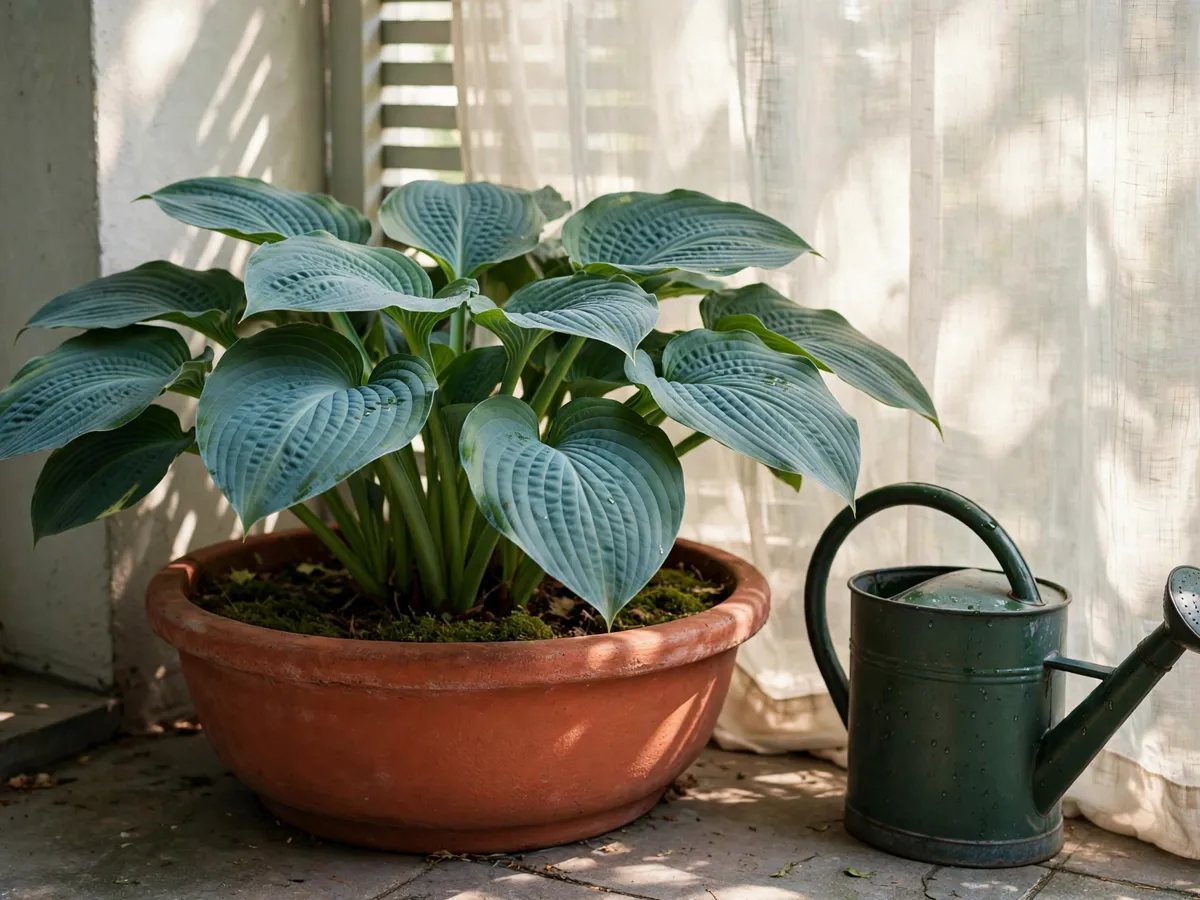
The search that brings most people here is a hopeful one: hosta indoor, hosta in pot, hosta for the apartment. The honest answer is that the plant you picture, a big leafy burst of green for a dim room, is a different plant. A hosta grows outdoors, dies back to the ground in autumn, sleeps through winter, and returns bigger each spring. That cycle is the plant, and skipping it costs you the plant.
Hostas come from cool woodlands with real winters. Their clock runs on cold: weeks of chill let the crown rest and build the reserves that push next season of growth. A hosta kept in a warm living room all year gets no signal to rest. It holds a few tired leaves through the dark months and enters spring with less energy than it started with. The second year is always worse than the first.
Some readers keep one indoors for a season and report that it looked fine. It can, near a bright cool window with the heating off, but that is a plant surviving. Year-round indoor hosta care is a maybe-for-a-while, not a system that runs. What follows is the version that works: the pot outdoors from spring to autumn, with an honest winter plan.
Cost: $0. Time: two minutes of expectation setting. The plant is cheap, and this saves you a season of watching a slow decline.
2. The real use: a container on shade
Where hostas genuinely shine is a pot on a shaded porch, a covered patio, or a balcony facing north or east. Those spots have the bright open shade the plant wants and a floor to set a saucer on. A hosta on a porch table with two or three companion pots is the look most people are picturing when they search for this plant.
The north or east side of a building is the sweet spot in most of the US. North light stays gentle all day, and east light adds a soft stretch of morning sun that hostas tolerate well. A south or west wall with afternoon sun is the placement to avoid in hot-summer regions, or to use only with the thick blue and plain green kinds.
For a renter, portability is the point. A hosta in a wide pot follows the light, the season, and the lease. If your balcony faces the wrong way in July, the pot moves to the north rail or under a tree, and when you move in autumn the plant travels asleep. The balcony garden for beginners guide covers the rail weight, drainage and wind rules that keep containers alive up high.
Cost: $25–$60 for a starter hosta and its first pot. Time: thirty minutes to place it. The wrong wall is the most expensive mistake here, so choose the spot before you buy.
3. Choosing the pot: wide beats tall
Hostas have a wide, shallow root system and no deep taproot. The crown sits at the surface and the roots run outward, so the best pot is the widest one your spot allows, not the deepest. A broad bowl or low planter one and a half to two times the width of the nursery pot gives the root mass room. A tall narrow urn forces the roots to circle and buries the crown in damp mix, which is how crown rot starts.
Drainage holes are non-negotiable, and a wide base needs several of them. Hostas want steady moisture, but a crown sitting in standing water rots. If you fall for a decorative pot with no hole, drill one or keep the plant in its nursery pot and use the pretty vessel as a slip cover, the arrangement the houseplant care guide recommends.
Color and material matter more outdoors. A dark pot in afternoon sun turns into an oven and cooks the roots even when the leaves look shaded, so pale pots are safer anywhere the sun lands for a few hours. Unglazed terracotta pulls moisture through its walls, which means daily watering in July, while plastic and glazed ceramic hold water longer. If you want terracotta in a hot spot, size up and group the pots so they shade one another.
Cost: $15–$40 for a wide pot with holes. Time: ten minutes to choose. Weigh the look against the watering routine it commits you to.
4. The mix: moist but draining
A potted hosta wants a mix that holds moisture between waterings and still moves air. Think of it as the opposite of succulent mix. A good blend is roughly two parts bagged potting mix to one part compost, with a scoop of perlite or fine bark for openness. Squeeze a handful: it should spring back and crumble, not hold a wet ball of clay.
Garden soil from the bed is the one ingredient to refuse: it compacts in a container and holds water without air. In hot, windy spots, a thin layer of bark mulch on the finished pot slows evaporation and keeps the crown shaded.
Refresh the mix yearly in early spring as the new noses appear. Tip the pot, shake out the old mix, trim dead and circling roots, and reset the crown at the same depth. A hosta is a heavy feeder in open ground but modest in a pot, because fresh mix carries most of a season of nutrition on its own. That refresh is the simplest feeding strategy there is, and section 7 covers the small top-up that goes with it.
Cost: $10–$20 for a bag of mix and a scoop of perlite. Time: twenty minutes. Skimp here and the whole season runs on tired soil.
5. Light outdoors: bright shade, not deep shade
Hosta is called a shade plant, which is true in the way that underwater is called moist. The plant wants bright open shade, dappled light, or a couple of gentle morning hours, and the dark under a solid deck is too little. Deep shade gives you a sparse clump that stretches and flops, and it fades the cream and white margins of a variegated kind toward plain green, because the leaf cannot hold its pattern on thin light.
The failure in the other direction is sun scorch. Hot afternoon sun turns leaf edges brown and papery within days, and a whole plant can crisp by August. The pattern is readable: scorch burns the edges and the uppermost leaves first, on the side that faces the sun. Browning from the rim inward on the afternoon side of the pot is light, and moving the pot is the fix.
Buy for the light you have. Plain green and thick blue kinds hold up in the deepest shade the group tolerates and take a little more sun. Golds and variegateds need the bright end of the range to keep their color, meaning open sky above them. A variegated hosta in deep shade and a gold hosta in afternoon sun fail for opposite reasons on the same porch.
Cost: $0. Time: one minute, watching where the sun lands at 3 p.m. in July. Bright shade means you can see open sky from the spot.
6. Watering: the summer rhythm
Those big leaves are the irrigation problem. A mature hosta moves a lot of water through its foliage on a warm day, and a pot gives the roots a limited reservoir, so a summer container hosta wants consistent moisture and a frequent check. From late spring to early autumn, expect to water every two or three days in warm weather, daily in a heat wave, and less in a cool stretch. The finger test still rules: water when the top inch of mix feels dry.
When you water, go deep. Pour slowly across the whole surface until it runs from the drainage holes, then empty the saucer ten minutes later. Hostas have a well-known droop and recover habit, a wilted afternoon posture that bounces back overnight once watered. It looks dramatic and it is mostly fine, but read it as information: a plant drooping every hot afternoon is asking for a bigger pot, a shadier spot, or mulch.
Cost: $0 beyond the water. Time: three minutes every two or three days in summer. The droop will scare you the first time and the overnight recovery will teach you the signal.
7. Feeding: light and regular
In open ground, hostas are heavy feeders that answer rich soil with bigger leaves. In a container the math changes: the pot is small, the spring mix already carries months of nutrition, and concentrated feed in a small root zone does more harm than good.
The workable schedule is a light feed every three to four weeks from late spring to midsummer, using a balanced liquid fertilizer at half the label strength, poured onto mix that is already damp. Stop by early August in cold climates so the plant hardens off instead of pushing soft late growth. A thin top dressing of compost in spring counts as one of those feeds, and with a yearly mix refresh it may be the only one.
Overfeeding reads like any container plant: a white crust of salts on the surface and browning leaf tips. Flush the pot with clean water until it runs clear, then skip the next two feeds.
Cost: $8–$15 for a bottle that lasts several seasons. Time: five minutes a month. More is not better here.
8. The slug war
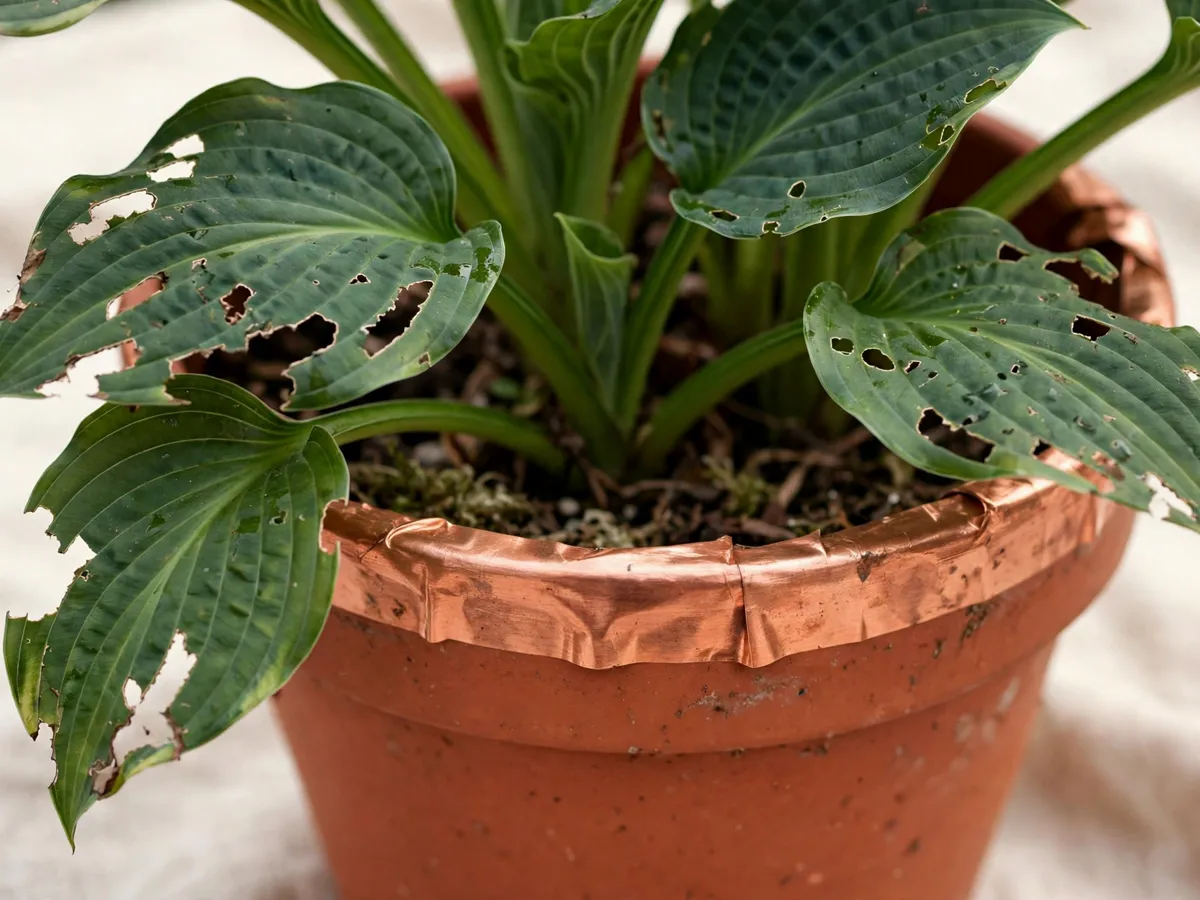
Slugs are why hostas have a reputation as holey plants. They feed at night, rasping tissue away and leaving the veins as lace, and they are drawn to the cool damp shade the plant loves. A bad population can strip a young plant in a week. The container grower starts ahead, because raising the plant off the ground removes the litter that slugs hide in during the day.
Build the defense in layers. Copper tape around the rim, a band a finger wide with no gaps, gives slugs a mild shock as they cross it, and it has to stay clean and bright to keep working. Beer traps, small cups sunk level with the soil and filled halfway, lure them in overnight and they do not climb out, so refresh every few days. Hand-picking beats both in a dense population: pick slugs off the leaves and the pot after dark or right after rain, and drop them into soapy water.
The honest note: a porch hosta still gets nibbled. A few holes in the outer leaves in a wet June is the tax on growing a plant that slugs like, and the goal is enough healthy leaf to feed the clump.
Cost: $5–$12 for copper tape or a couple of trap cups. Time: ten minutes an evening for the first week.
9. Winter: the dormancy they need
When the leaves yellow and collapse in autumn, nothing is wrong. The plant is pulling its energy down into the crown for the cold rest it needs. Let the foliage die back fully, then cut the spent leaves a few inches above the crown and clear them away, so slugs and their eggs do not overwinter in the litter. What is left looks like a pot of soil with something buried in it, and that nothingness is the point.
Outdoors, the danger is the freeze-thaw cycle around a thin pot rather than the cold itself. In the ground, roots sit below the frost line and the soil buffers the swings. In a container, a small block of mix freezes solid, thaws, and freezes again, heaving the crown up where drying wind kills it. Move the pot against a north or east wall, wrap the vessel in burlap or old blankets, cluster pots so they insulate each other, and mulch over the crown.
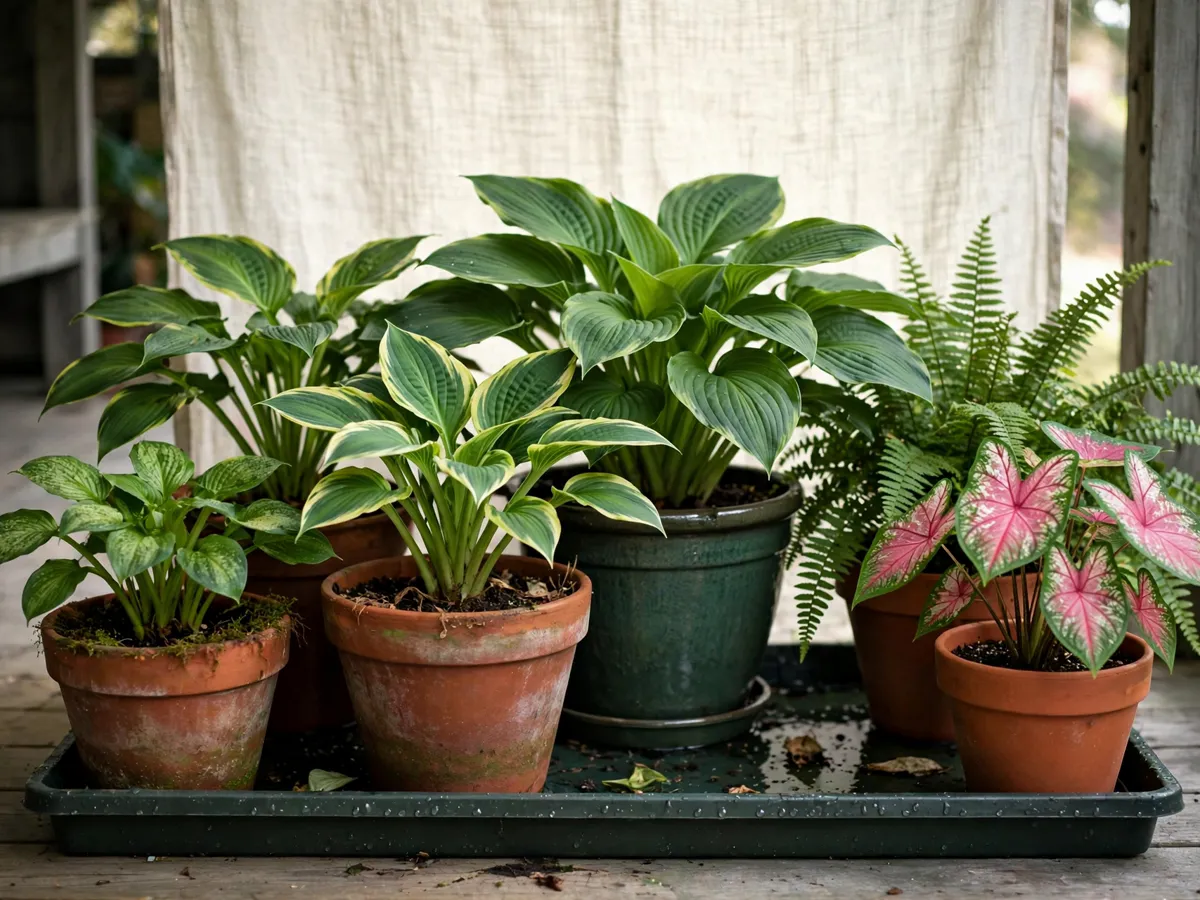
If you cannot leave it outside, the honest indoor option is a cold bright space rather than the living room. An insulated stairwell, a garage with a window, or an enclosed porch that holds between roughly freezing and 45°F works: set the pot where it gets light and stays cold, water only enough to keep the mix from going to dust, and let the plant run its dormant clock. That satisfies the cold requirement, where a heated room with the plant still in leaf denies it and the plant pays in spring. Never water a frozen pot, because wet cold rots crowns faster than dry cold. Other cold-season problems sit in the winter plant care guide, written for plants that genuinely live indoors.
Cost: $0–$10 for burlap and mulch. Time: fifteen minutes to cut back and wrap.
10. Dividing and size: when the pot gets crowded
A happy container hosta fills its pot in two or three seasons. The signs arrive together: the clump pushing up above the rim, water running straight through because roots have displaced the mix, and spring leaves smaller than the season before. When two of those show up in the same spring, it is time.
Division is a spring job, done as the noses emerge and the buds are visible. Tip the clump out, shake off the mix, and cut the root mass into two or three pieces with a clean sharp knife, each piece holding buds and roots. Reset each in fresh mix at crown depth, in a pot wide enough for two more seasons, and keep it in shade for a week. It looks brutal and the plant barely notices, which is why dividing every few years keeps the clump young.
On buying: a starter costs a few dollars and takes two or three seasons to fill in, and a mature clump costs two or three times that and fills its spot in one season. Buy the mature clump for the one visible corner, and starters for a row of pots.
Cost: $0 to divide, $10–$45 for the next plant. Time: twenty minutes of knife work. Divide in spring only, a summer division sulks.
11. What goes wrong: reading the leaf
Hostas report their problems on their leaves, and most symptoms a beginner sees trace to one of four causes.
- Crisped papery edges. Sun scorch or drying wind. Burn on the afternoon side and the upper leaves means light, and a gentler spot fixes it. Dry edges all over an exposed plant means wind, and a wall or a windbreak fixes it.
- Pale washed-out variegation. Not enough light. The cream margins fading toward green means the spot is deeper shade than the plant can hold its pattern in. Move it to bright open shade and the color returns on new leaves.
- Holes, leaves eaten to lace. Slugs, sometimes snails or grasshoppers. Confirm by the slime trails and the night timing, then run the section 8 layers. A few holes are normal, spreading holes are a campaign.
- Mushy crown, blackened leaf bases, foul smell.Crown rot, from a pot with no drainage or a winter spent sitting wet. Unpot, cut away the soft roots and soft crown tissue, and reset the firm remainder in fresh mix that drains fast.
Two more patterns worth naming. Yellow leaves in autumn are the plant shutting down, and the right response is to let it. And a plant that never appears in spring, after a winter in a pot that sat in a puddle, is almost always a crown that rotted rather than one that froze.
Cost: $0. Time: five minutes of looking closely once a week. One symptom is weather, three in a row is a diagnosis.
12. Want indoor foliage like a hosta
If you came here looking to fill a dim living room with big lush leaves, you want a plant that evolved for indoors. The honest substitutes are shade-tolerant foliage plants: the deep green leaves of a cast iron plant, the patterned foliage of a calathea or prayer plant, the full mound of a peace lily, or the easy trail of a pothos. They hold up in ordinary indoor light, they need no cold rest, and they look full within weeks.
Start with the low light houseplants guide for the species that genuinely survive dim rooms, and the houseplant care guide for the watering and light routine. Keep the hosta on the porch, where it will be the best plant you own, and put something built for indoors in the window.
Cost: $10–$30 for a starter in a six-inch pot. Time: one afternoon to choose and place it. A calathea wants more humidity than a rental provides, so read before you buy.
Common questions
Can a hosta grow indoors?
Not long-term. A hosta needs weeks of cold dormancy to recharge, and a heated living room never provides it. One winter in a cold bright stairwell or a garage window is honest, but year-round indoor life leaves the plant weaker every season.
Do hostas do well in pots?
Yes, and containers are one of the best ways to grow them. Give the plant the widest pot your spot allows, since the roots spread outward, a moist but draining mix, and bright open shade. The pot also lifts the crown off the ground, which helps in the slug war.
How much sun can a hosta take?
A couple of gentle morning hours suit most kinds, and hot direct afternoon sun scorches the leaves. Plain green and thick blue types tolerate the most light, while golds and variegateds need brighter open shade to hold their color and fade in deep shade.
How do I keep slugs off my hostas?
Layer the defenses. Grow in a container, which lifts the plant off the ground. Run copper tape around the rim, kept clean and gap-free. Sink beer traps nearby and refresh them every few days. Pick by hand after dark or after rain. Expect some holes anyway, since a few nibbled leaves are the normal tax rather than a failure.
What do I do with a potted hosta in winter?
Let the foliage die back, cut it away, then protect the pot against freeze-thaw: move it against a sheltered wall, wrap the vessel, mulch over the crown, and keep the mix barely moist. Never water a frozen pot. The only indoor option is a cold bright unheated space that holds between roughly freezing and 45°F.
Save these on Pinterest
Pin the pot rules and the winter playbook, the two sections that decide whether a container hosta comes back in spring. This guide and the rest of the gardening tips live together there.