 Plant As Deco
Gardening & Planting Tips
Lemon Cucumbers: Round, Mild and Balcony-Ready
By Plant As Deco · Updated 22 November 2026
The lemon cucumber is the friendliest cucumber a small garden can grow: a round, pale heirloom the size of a tennis ball, thin-skinned, mild, and far less prone to bitterness than long slicers. It climbs a short trellis in a grow bag and goes from seed to first fruit in about two months. One thing decides the whole project before you touch a seed: sun. A cucumber needs six-plus hours of direct light a day, so this guide starts with the spot you have.
Weekend-ready: $25–$60 for a seed packet, a fabric grow bag, potting mix and a simple trellis. First fruit about two months after sowing.
1. The sun question comes before the seed question
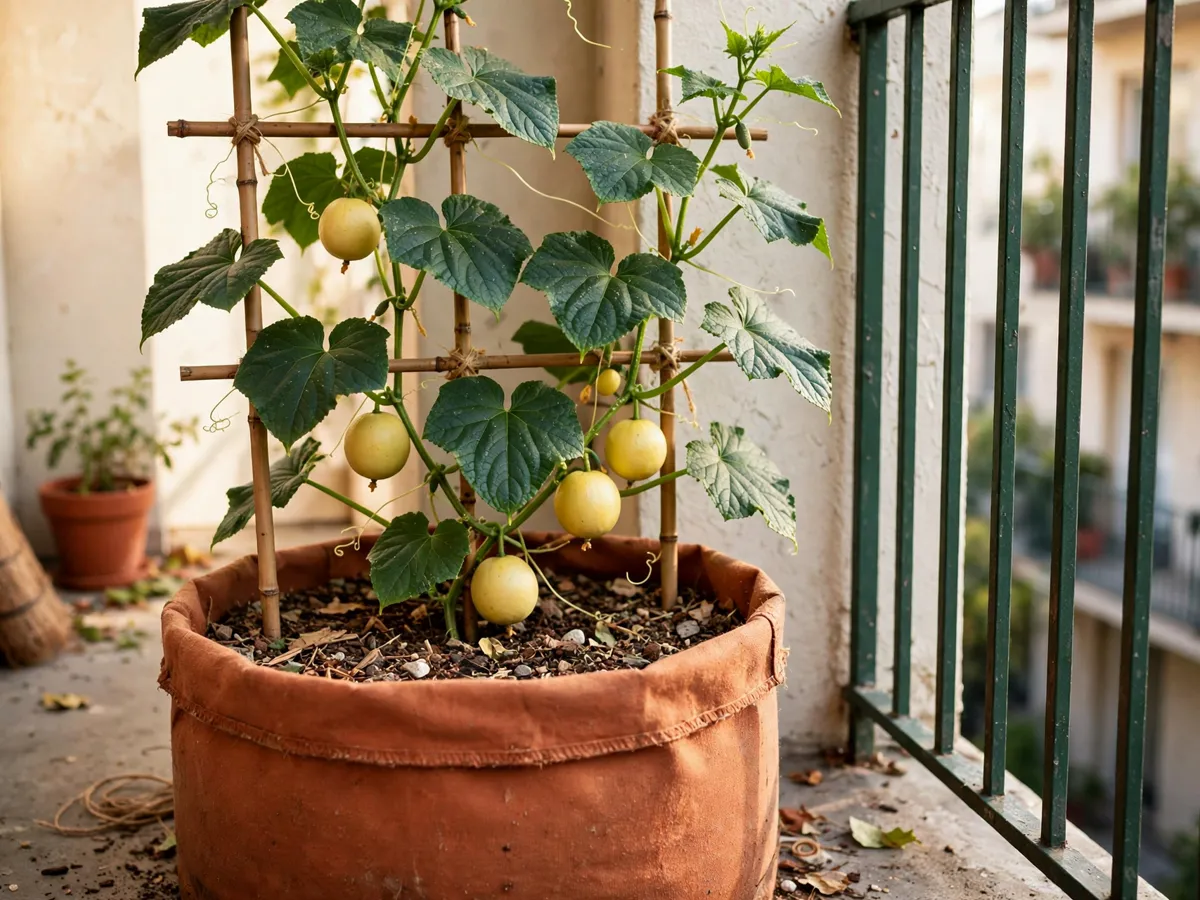
Cucumbers are full-sun annuals with a hard light floor: six-plus hours of direct sun, every day, all season. That is the deal before anything else in this guide matters. Watch the spot where you plan to put the pot on a clear day and count the hours the sun actually hits it. South exposure or an unobstructed west one clears the bar. A bright east spot gets morning sun and then loses it, and that is usually not enough for fruit.
Here is the honest verdict for the east-only balcony: you will get a leafy, attractive vine and a handful of fruit at most, and you will water a thirsty plant all summer for it. Leafy greens and herbs prefer that light, so they are the better use of the space. The beginner balcony garden guide helps you sort which crops suit which exposure, and the indoor herb garden setup covers the plants that will reward a dimmer spot.
One trick can turn a borderline spot into a workable one: a white wall behind the pots reflects light and warmth back onto the leaves, adding usable sun to a spot that sits just under the floor. If your balcony has a pale wall and six hours of sun that land on the vine itself, you are in business.
Cost: $0. Time: one clear day of counting sun hours on the spot you have in mind. The verdict here decides everything that follows.
2. What a lemon cucumber actually is
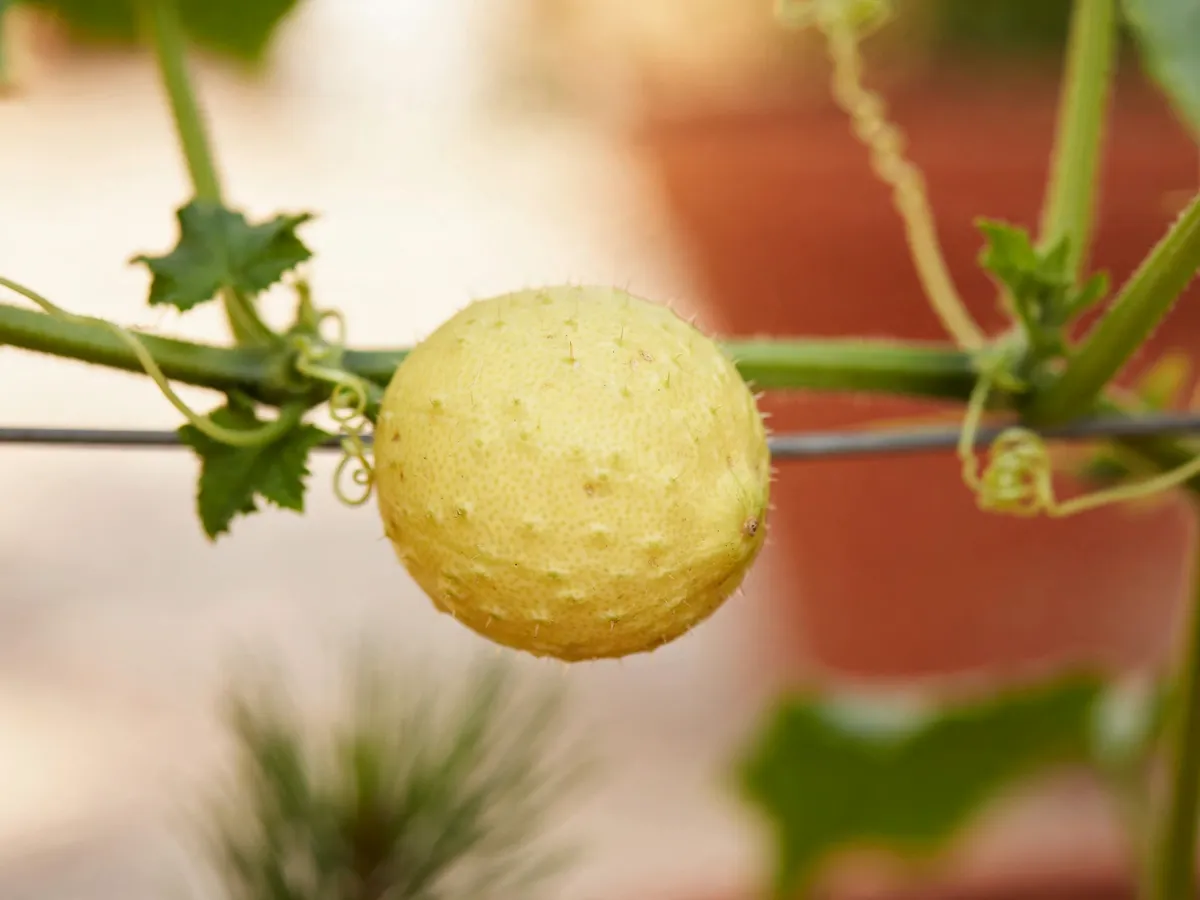
A lemon cucumber is an heirloom variety that grows round, ripens to a pale yellow-green, and reaches about the size of a tennis ball at eating stage. The skin is thin and crisp the way an apple skin is crisp, so you eat it without peeling. The flavor is mild and slightly sweet, softer and gentler than a standard long slicer from the grocery store.
The name causes endless confusion, so clear it up in one sentence: the fruit tastes nothing like lemon, it only looks like one. There is no citrus flavor and no sourness anywhere in it. The yellow rind earned the name, and the mild sweetness is a separate bonus.
Why grow this type instead of a regular slicer? Three reasons that matter in a small garden. The round fruit sets quickly and in quantities a two-person household can actually eat. The thin skin means no peeling and no bitter ring at the stem end. And the variety has a long history as one of the more forgiving cucumbers for new growers, which buys a margin of error in your first season.
Packets usually hold around twenty-five seeds, more than a balcony planter needs, so share the packet or plan the succession sowings covered below.
Cost: $3–$6 for a packet of seed. Time: none until sowing day. Pick a fresh packet; old seed sprouts thinly.
3. Why the fruit is rarely bitter (and the honest catch)
Cucumber bitterness comes from compounds the plant makes under stress, and stress in a container garden almost always means one of three things: irregular watering, prolonged heat, or fruit left on the vine too long. When a grower complains about a bitter cucumber, the cause is usually one of those three.
The lemon type is genuinely less prone to bitterness than long slicing cucumbers, which is a real advantage. The honest catch is that less prone is a margin, not immunity. A lemon cucumber vine that swings between bone-dry and soaked, or that carries overripe fruit into August heat, can still produce a bitter one.
So the practical promise works backwards. You do not buy mildness with a seed packet; you build it with two habits. Water so the soil never crashes from wet to dry, and pick fruit promptly at eating size. Get those two right and bitterness almost never shows up, in any cucumber.
Cost: $0. Time: none extra. Consistent water and prompt picking are the whole anti-bitterness plan, and both cost nothing.
4. Container sizing, honestly
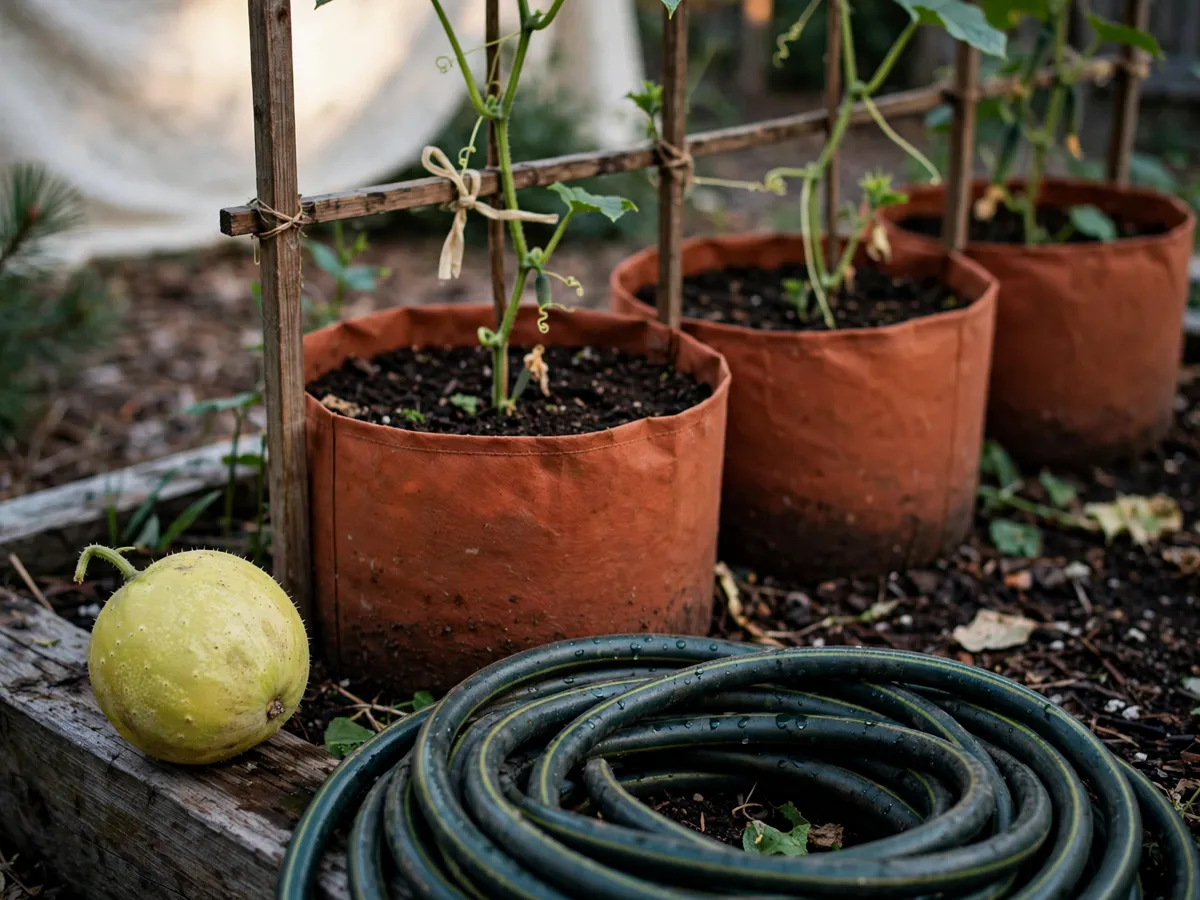
Give each plant five gallons of soil at minimum. That is one fabric grow bag of the standard balcony size, or a five-gallon nursery pot with holes in the bottom, one plant per container. A vigorous vine in full sun drinks a lot, and five gallons is the volume that holds enough water to get through a hot afternoon without crashing.
What happens in a smaller pot is worth describing honestly, because it is the most common lemon cucumber disappointment. A three-gallon pot in July heat needs water twice a day, and even then the vine runs stressed: smaller leaves, aborted flowers, fruit that sets and then shrivels. The pot is not impossible, just a bad trade.
Fabric grow bags are the default for a reason: they air-prune the roots, drain fast, and are cheap. Put a saucer or shallow tray under the bag in summer. A layer of water in the tray buffers a hot afternoon, and the vine takes it up as the soil drains. Empty the tray in cool weather so roots never sit soaked for days.
Depth matters as much as width. The root system runs deep for a cucumber, so pick a bag or pot at least twelve inches tall and avoid squat bowls.
Cost: $10–$18 for one or two five-gallon fabric bags. Time: ten minutes to set up. Undersized pots are the trade that costs the season.
5. Soil and feeding
Fill the bag with a quality bagged potting mix, the fluffy kind made for containers. Never scoop soil from a garden bed into a pot: in a container, garden soil compacts into a dense, poorly draining block that suffocates roots and brings weed and disease problems with it. Bagged mix stays open and drains while holding moisture, which is what a cucumber root wants.
Cucumbers are hungry feeders. Fresh mix carries the vine for the first few weeks, but once flowers appear the plant is building fruit fast and the nutrients in the bag run low. From flowering onward, feed weekly with a diluted liquid fertilizer mixed at the label rate for container vegetables, poured onto already-damp soil. Any balanced liquid feed works; the weekly rhythm is what matters.
Read the vine when you wonder about feeding. The classic hunger sign is older, lower leaves turning pale yellow while new growth stays green, because the plant pulls nutrients out of its oldest leaves to feed the fruit. One yellow leaf now and then is normal shedding; a steady creep of yellow up the plant during fruiting means the bag needs food.
Cost: $8–$15 for a bag of mix, $8–$12 for a bottle of liquid feed that lasts the season. Time: twenty minutes to fill the bags.
6. Trellis or let it spill
The vine climbs by tendrils and happily takes a four-to-five-foot trellis, which is the recommended setup on a balcony. Training the vine upward saves floor space, keeps the round fruit clean and visible, and makes every harvest a glance instead of a search.
The alternative, letting the vine spill over the bag edge, works, and some growers do it on purpose. The honest costs: fruit hides under leaves where slugs and rot find it first, and the vine roots at every node that touches soil, spending energy on a second root system instead of more cucumbers.
The trellis does not need to cost anything. A cheap wire tomato cage pulled out of its cone shape and opened into a cylinder makes a ready-made tower the tendrils grip easily. Sturdy string run from the balcony rail down to the pot rim works just as well; tie the vine loosely at first and it climbs on its own.
Cost: $0–$12 for a wire cage or twine. Time: fifteen minutes to install. Train the vine early; untangling a mature one breaks stems.
7. Watering, the actual skill
More lemon cucumber crops are lost to watering than to any pest or disease. Consistent moisture is the whole game, and a fabric bag makes the stakes higher because bags dry faster than plastic pots. In midsummer heat a five-gallon bag can go from comfortable to dry in a single hot day.
Run the finger-knuckle test every day in summer: push a finger into the soil up to the first knuckle, about an inch. Damp and cool means wait; dry and warm means water slowly until it drains from the bottom. In spring and fall the same test stretches to every two or three days.
Two reads tell you how the vine is doing. A plant that wilts on a hot afternoon but recovers firm by evening is fine, just drinking faster than its roots can pull. A plant still wilted the next morning has a root ball that dried hard, and it needs a slow, deep soak now rather than a splash. Catch the second one repeatedly and the vine holds fruit poorly afterward.
The cycle to avoid is the dry-then-flood swing: letting the bag crash, then drowning it. That stress cycle is exactly what pushes bitterness into fruit, and bursts skins. The tray trick, the daily knuckle check, and a slow pour keep moisture even.
Cost: $0. Time: five minutes a day in summer, less in spring. The finger test every day beats any gadget you can buy.
8. Sowing and transplanting, honestly
Sow seeds directly in the bag once frost danger has passed in your area and the soil has warmed. Cucumbers hate root disturbance, and that is the honest reason growers sow in place instead of starting seeds indoors: the root system is brittle and a transplant that tears it sets the vine back weeks. Warm soil matters too, because seed sown into cold damp mix tends to rot before it sprouts. The folk timing works: wait until nights stay mild, around the mid-fifties.
If you buy nursery starts instead of seed, protect the rootball: pick the smallest pot the seedling is healthy in, slide the whole rootball out intact, and set it at the same depth it was growing. Water it in and expect a few sulking days.
Sow two or three seeds an inch deep per bag and thin to the strongest single vine. For a longer harvest, make two sowings about two weeks apart in separate bags: the first vine peaks while the second is still young, stretching fruit across more of the summer than one sowing gives.
Cost: $3–$6 for a packet of seeds. Time: twenty minutes per sowing. Frost dates are on the seed packet; trust the packet over the calendar.
9. The pollination gap on a balcony
Cucumber flowers come in two kinds on the same vine: male flowers on plain stems, and female flowers with a tiny cucumber already forming at their base. Fruit only grows when pollen travels from a male flower to a female one, and in a garden that job belongs to bees. A high balcony or an enclosed courtyard can be bee-poor, and that gap, not care, is why some well-watered vines never produce a single fruit.
One early-season worry resolves itself. The first flush of flowers is often all male, which is normal. Give it a week or two; female flowers follow on the same vine.
For a truly bee-less balcony, hand-pollination takes five minutes. Find a fresh male flower, snap it off its plain stem, peel back the petals to expose the pollen-covered center, and swab it gently inside each open female flower. A soft paintbrush works the same way. Do it in the morning when flowers are open and pollen is fresh.
Cost: $0. Time: five minutes, a few mornings across the season. Flowers open for a day; morning is when pollination actually works.
10. Harvesting at the right size
Pick lemon cucumbers when they are about tennis-ball size and pale green-yellow, which is when the thin skin is crispest and the flavor mildest. Cut the stem with scissors rather than pulling, which tears the vine. Check every day or two at peak season; the round fruit swells fast in hot weather.
The overripe read is unmistakable: deep yellow skin, a bulging shape, a tough texture, and seeds maturing inside. Left on the vine, an overripe fruit also sends the plant a signal to slow down, because its whole mission is making seed. Still, an overripe lemon cucumber is not waste: scoop the seeds for drying if you want free seed next year, or toss it in the compost, which the apartment composting guide covers.
Frequent picking makes the plant produce more. You are tricking a plant whose goal is seed by never letting any fruit reach maturity, so the vine keeps flowering and setting replacements all season. Growers who harvest buckets do it by picking relentlessly, not by feeding more.
Cost: $0. Time: five minutes every day or two at peak. A pair of snips and a basket by the door turn harvest into a habit.
11. Problems, read quickly
Most balcony cucumber trouble shows up as one of a few clear signals, and each has a fast read.
- Powdery mildew. A white dusty coating on leaves, usually late in the season. Prevent it with airflow (the trellis from section 6) and by watering the soil, never the leaves. It often arrives after most of the harvest is done anyway, so it rarely costs real fruit.
- Sudden total wilt. A vine that collapses fast and does not recover by morning, while the soil is still moist, points to bacterial wilt spread by cucumber beetles in some regions. There is no cure; pull the plant, bag it, and wash hands and tools after.
- Flowers but no fruit. The pollination gap. All-male flowers early on are normal; female flowers with no fruit behind them mean the bees are missing.
- Fruit shriveling after set. Water stress or heat stress in an undersized pot. Re-read the container and watering sections before blaming the seed.
One framing note for a balcony crop: spraying is rarely worth it on a handful of plants within easy reach. Hand-pick the beetles you see into soapy water, rinse aphids off with a jet of water, and accept a cosmetic blemish or two. The season is short and the crop is small; two minutes of hand work covers most of it.
Cost: $0. Time: two minutes of looking per visit. Catch wilt early; everything else has a patient fix.
12. The frost ending and next year
Set expectations now: a cucumber is an annual, and the vine dies at first frost no matter how well you grew it. There is no overwintering move that saves it, so plan the season as one good run from planting to frost. The first cold night turns the leaves to mush, and that is the end of the story, by design.
The clear-out matters for next year. Pull the dead vine at the base and compost it, but never reuse diseased plant material. Diseases like bacterial wilt and mildew can carry over in soil and on old roots, so refresh the setup as you clean up: tip the used mix out of the bags if anything looked sick, and start next spring with fresh mix. The bags last several seasons.
Rotate as best a balcony allows. Grow the cucumbers in a different bag or corner next year, even if the rotation is only two positions instead of four. Switching the soil and moving the spot together break most disease cycles a small garden can face. Then, when nights turn mild again, sow fresh seed and the whole loop starts for the price of a packet. The garden planning guide helps map next season while this one is fresh in memory.
Cost: $0 for the clear-out, about $10 in fresh mix per bag next spring. Time: thirty minutes. Refresh the mix and the rotation does most of the disease prevention.
Common questions
Do lemon cucumbers taste like lemon?
They do not. The name describes the look: a round fruit that ripens to a pale yellow like a small lemon. The flavor is mild, crisp and slightly sweet, softer than a standard slicing cucumber, with no citrus note anywhere in it.
Can lemon cucumbers grow indoors?
Practically no. A cucumber needs six-plus hours of direct sun and a big vigorous root system, and no windowsill in a normal home provides either. Even a very bright window produces a leggy vine with few fruit. Grow them on a sunny balcony, step or patio, and give indoor space to plants that want it.
How long from seed to first fruit?
About two months under decent conditions. Sow when frost danger has passed and nights are mild, and the vine flowers around four to five weeks with the first pickable fruit a week or two after that. Cooler weather stretches the timeline.
What size pot does a lemon cucumber need?
Five gallons per plant, at least twelve inches deep, is the honest minimum: one standard fabric grow bag or a five-gallon nursery pot with drainage holes. Smaller pots force twice-a-day watering in summer heat and keep the vine stressed even when you keep up with them.
Why is my cucumber plant flowering but not producing?
Two likely answers. Early all-male flowers are normal, and female flowers follow within a week or two. If female flowers (the ones with a tiny cucumber at the base) open and then drop, pollination is missing, which happens on bee-poor balconies. Hand-pollinate in the morning with a soft brush or a picked male flower.
Can I grow lemon cucumbers with other plants?
One vine per five-gallon bag; do not crowd the rootball. Around the bag, basil, marigolds and other compact flowers are easy neighbors that attract pollinators, ideas the balcony companion planting guide expands on.
When should I pick a lemon cucumber?
At about tennis-ball size, while the skin is pale green-yellow. Cut the stem cleanly rather than pulling. Deep yellow, bulging fruit is overripe, seedy and tough, and every fruit you leave past eating size tells the vine to slow down production.
Save these on Pinterest
Pin the sun-hour verdict and the five-gallon container setup, the two decisions that make or break a lemon cucumber season before the first seed goes in. This guide and the rest of the gardening tips live together there.