 Plant As Deco
Gardening & Planting Tips
Lavender Plant Care Indoors: Light, Grit and Winter Dry
By Plant As Deco · Updated 22 November 2026
Indoor lavender is a maybe, not a houseplant staple. This guide is for renters and first-home owners who want the silver foliage and the scent on a windowsill: what the plant actually needs indoors, the light that decides everything, the grit mix and terracotta that keep roots dry, and the winter wet that ends most attempts before spring.
Weekend-ready: $15–$35 to start, one afternoon of setup. That covers a small lavender plant, an unglazed terracotta pot with a drainage hole, one bag of potting mix and one bag of grit. Ten minutes a week after that, and less in winter.
1. What lavender is indoors: a maybe, not a staple
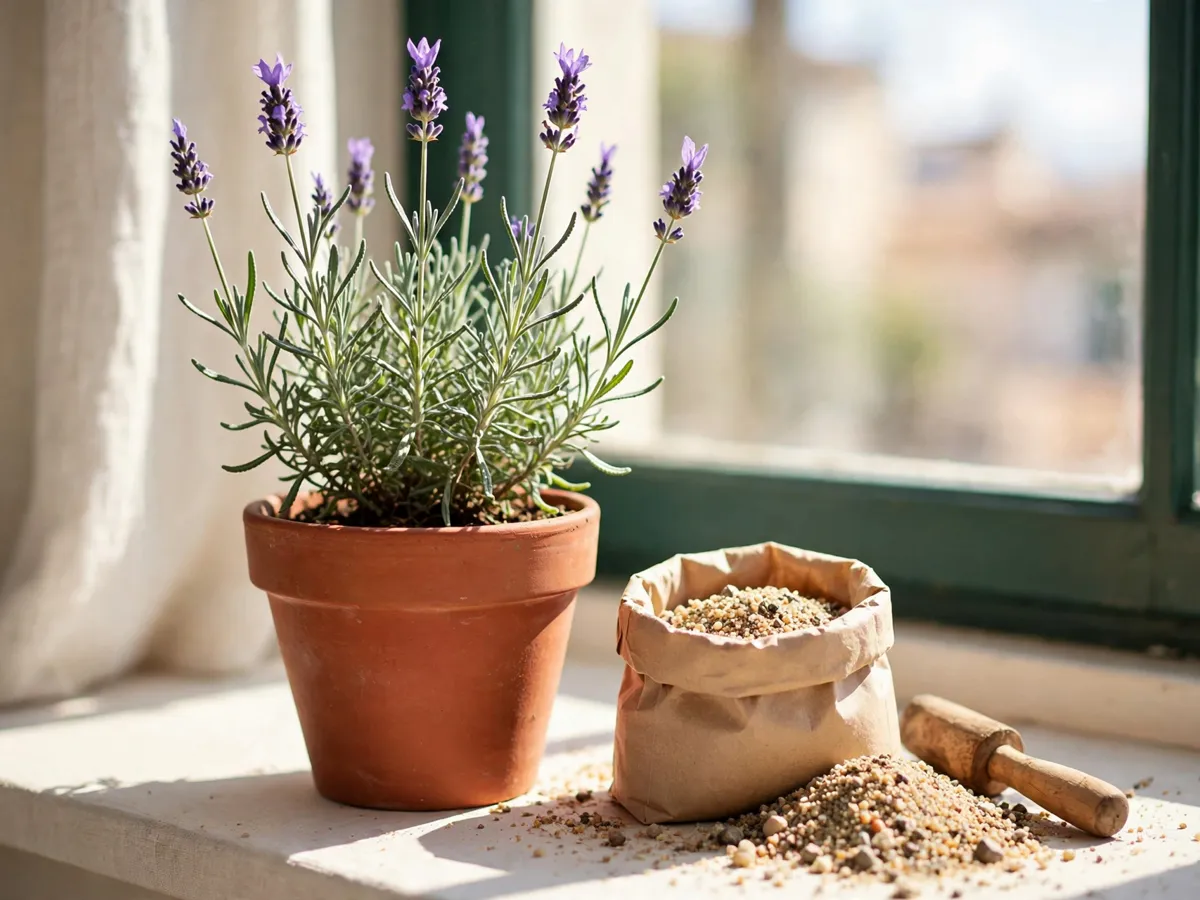
Lavender is a Mediterranean hillside plant: full sun most of the day, thin lean soil, dry air, and winter rain that drains through stony ground almost as fast as it falls. Nothing in that description resembles a US apartment, and that gap is the whole story of indoor lavender care.
Most indoor lavender fails for one of two reasons: not enough light, or winter wet around the roots. A dim room cannot be turned into a bright one, and a watering habit does not pause itself in December. This guide treats the plant honestly: worth trying in the right window, the wrong purchase for a shelf across the room.
Species matters at purchase. English lavender and its hybrids are the indoor-capable ones: the hardiest, the most tolerant of cool nights, and the group most often sold in small pots. French and Spanish lavender are softer, showier, and want even more light. Choose English and check the label for angustifolia.
Cost: $8–$15 for the plant. Time: ten minutes to choose one. Caveat: skip anything already rootbound and crowded in its nursery pot; it starts weaker.
2. The light gate: hours of direct sun
Light is the first gate, and it decides the answer before you touch a watering can. Lavender wants full sun, six hours or more of it outdoors, every day. Indoors the honest translation is a south-facing window as the minimum, foliage close to the glass, nothing hung between the plant and the sky.
Anything less shows within weeks. In weak light lavender stretches pale: long gaps between the leaf pairs, thin stems leaning toward the glass, foliage more yellow-green than silver. The plant spends everything it makes trying to reach better light, and nothing is left over for buds. Less light means no flowers, and often no plant by spring.
East and west windows are marginal: an hour or two of direct sun plus bright indirect light after, which can hold the plant through summer and barely carries it in winter. A north window is a no in every season. If the only spot you have is dim, a small grow light bridges the gap.
Cost: $0 to move the pot, or $15–$30 for a clip-on grow light. Time: five minutes. Caveat: a lamp has to sit within a foot of the leaves to matter, which limits where the plant can live.
3. The drainage triad: grit, terracotta, airflow
The drainage triad is the part of lavender care you control completely: the mix, the pot, and the air around both. Get the three right and watering becomes forgiving. Get one wrong and even careful watering can rot the roots.
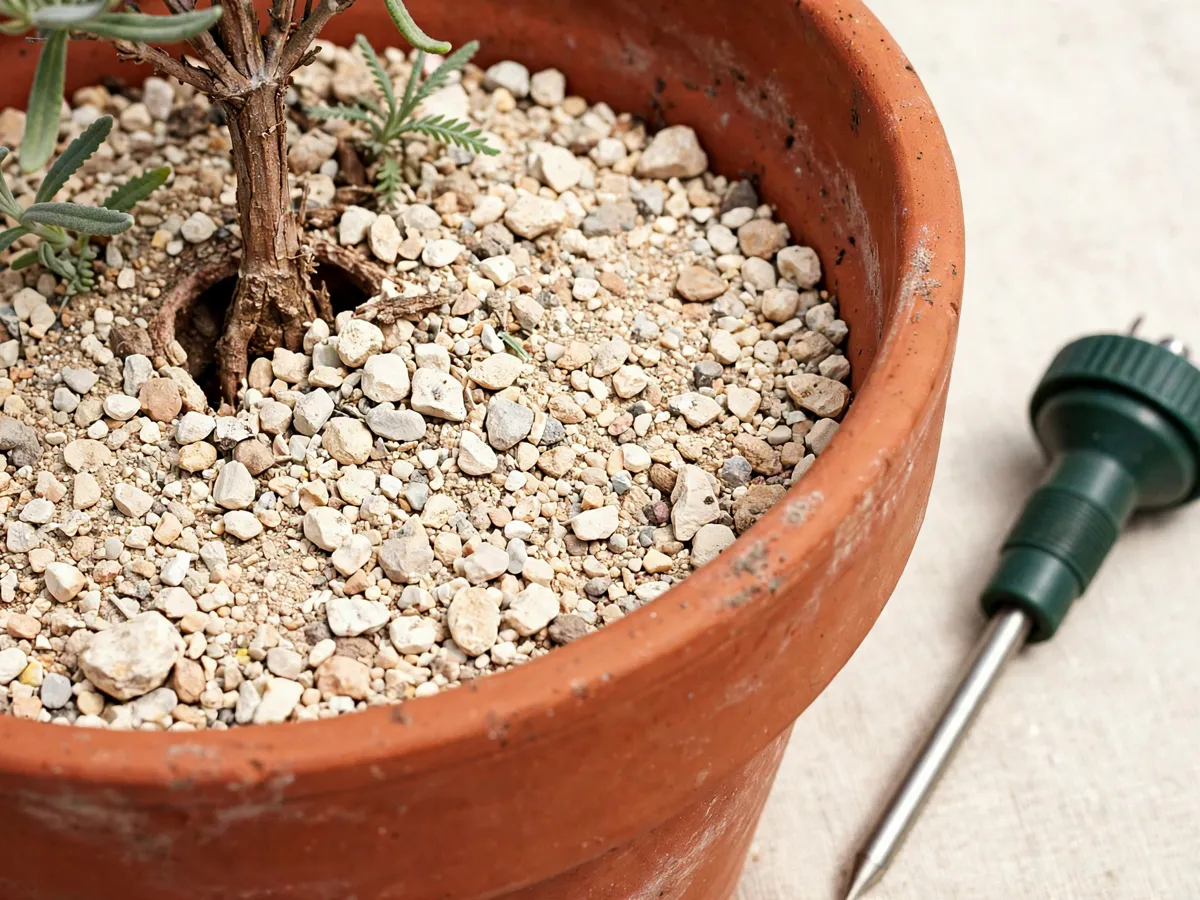
Start with a gritty mix. Blend roughly half ordinary potting mix with half grit, meaning coarse sand or fine gravel from a garden center. The finished mix should look stony and pour loosely through your fingers rather than clumping. Straight potting mix holds water longer than lavender roots tolerate.
Put it in unglazed terracotta. Fired clay is porous, and the walls wick moisture out of the mix so the whole rootball dries evenly instead of only from the top. At least one generous drainage hole is assumed. A sealed pot in still air is how indoor lavender dies: soil dark and wet under a cheerful looking top, the base softening before anything wilts.
Airflow is the third leg. Still air keeps the soil damp and the humidity around the foliage high, inviting the gray mold that follows. Leave space between this pot and its neighbors, let a fan move air across the sill sometimes, and never seal the plant inside a glass container. When it needs a bigger pot, the general repotting a houseplant one size up guide covers the rest.
Cost: $6–$10 for the pot, $5–$12 for grit. Time: twenty minutes to mix and pot. Caveat: skip moisture-control mixes; they are blended to hold water on purpose.
4. Watering by weight
Water by weight, not by calendar. An unglazed terracotta pot gives you an honest scale for free. Water the plant thoroughly, wait ten minutes for the clay to stop drinking, then lift and register how heavy it feels: that is the wet weight. Check again every few days by lifting. When the pot feels distinctly light and the mix has pulled slightly from the pot wall, it is dry.
In summer, water deeply and then let it dry. Pour slowly over the whole surface until water runs from the drainage hole, empty the saucer ten minutes later, then leave the plant alone until the pot is light again. These deep-then-dry cycles push air through the root zone and copy the Mediterranean pattern: thorough rain, then weeks of dry.
For the deep check, use a finger or a wooden skewer, the same way the care of houseplants routine describes for every potted plant. Push the skewer to the bottom of the pot and pull it out: damp mix clings to the wood, dry mix falls off. If it comes out clean and the top two inches feel dry, water. If anything sticks, wait. A dry looking surface can sit on top of a soaked rootball.
Cost: $0, or $3 for a long wooden skewer. Time: two minutes per check. Caveat: terracotta saucers sweat, so set a cork mat or plastic tray under the pot on wood.
5. Winter dry: the season that kills
Winter is the season that kills potted lavender indoors. The days shorten, the sun sits lower and weaker, and the plant slows down. A lavender in December light is semi-dormant: hardly drinking, barely growing. Meanwhile the watering schedule that carried it through July keeps delivering a full soak every few days, and the mix never dries between them.
Wet mix plus a slowed plant equals rot. The roots sit in moisture they cannot use and brown from the tips inward, while the top can look almost normal for weeks. The first warnings are usually a swampy smell from the pot, a stem going soft at the base, or fungus gnats hovering over the surface, because fungus gnats breed in constantly damp soil.
The overwinter rule is short: water sparingly, and only when the pot is light and the soil is bone dry deep down. That often means a small watering every two to four weeks, well under half the summer amount, poured around the edges. The wider cold-season routine for every plant in the apartment is in the winter houseplant care guide; lavender takes the dry end of that spectrum further than most.
Cost: $0. Time: one minute to lift and decide. Caveat: when in doubt in winter, wait three more days; nothing on the dry side hurts this plant.
6. Temperature and placement
Temperature is the easy input. Lavender is fine with cool nights and would honestly choose them: Mediterranean hillsides drop sharply after sunset, so a bedroom that falls into the fifties overnight is closer to home than a steady seventy-two. Ordinary indoor heat is tolerable too, provided the light is strong and the airflow is real. Heat with dim light is the worst combination.
Placement on the sill has two traps. The first is the cold draft: in deep winter, single-pane glass and leaky frames can chill the leaves badly overnight, so pull the pot back a few inches from the glass on the coldest nights. The second is a radiator directly under the window: it bakes the pot from below, drying the mix unevenly and pushing warm still air up through the foliage.
Winter humidity is a non-problem: dry heated air sits right in the range lavender likes, and low humidity is exactly what keeps the foliage dry. Do not mist it, do not set it on a pebble tray, and keep it out of the humid bathroom corner, away from any radiator blasting dry air. The one tradeoff is spider mites, which flare on dusty leaves, so a monthly rinse at the sink is the entire cost.
Cost: $0, or $10–$20 for a window insulation kit on a drafty sill. Time: five minutes to reposition. Caveat: move the pot back from the glass before a hard freeze night, not after.
7. Feeding, or not at all
Lean soil is the native state of this plant. Mediterranean hillsides are stony and poor, and lavender grown rich grows soft, leafy and floppy, the opposite of the compact silver mound people actually want. Indoors, that instinct meets a small pot of fresh mix already carrying months of nutrients.
Feed little or not at all. If the plant has spent over a year in the same pot and summer growth has slowed to nothing, one light sprinkle of a granular low-nitrogen feed on damp soil in spring is plenty, and no feed at all is a correct choice. Feeding through winter is actively harmful: the semi-dormant plant absorbs almost none of it and the salts sit in the mix waiting to burn roots.
The overfed plant is a failure mode people create with kindness: tall, soft, pale green growth, stems flopping under their own weight, and fewer flower spikes than an unfed plant would carry. High-nitrogen feeds push leaves at the direct expense of flowers. If a white crust shows on the soil or the terracotta, flush the pot with plain water until it runs freely and skip the next feeding.
Cost: $0 to skip it, or $8–$12 for a small bag of low-nitrogen feed that lasts years. Time: one minute. Caveat: never feed a plant in winter, a plant that is stressed, or a plant repotted in the last month.
8. Pruning after flower
Prune once a year, right after the flowers fade. Lavender blooms on the growth of the current season, and the trim that follows the bloom is what stops the plant sliding into a bare woody stump. Take roughly a third of the leafy top off, cutting just above the lowest healthy leaves.
The hard rule: never cut into old leafless wood. Below the lowest leaves the woody stems hold no dormant buds, and a cut below the leaf line stays bare for the remaining life of the plant. This is why neglected lavender cannot be rescued with a hard cutback the way a leggy pothos can: the old wood will not resprout.
The goal shape is the mounding habit: a lightly sheared dome of young growth with short gaps between the leaf pairs, which flowers evenly across the top the following summer. Dead sticks above a gray woody base mean the trim was skipped for years.
Cost: $10–$20 for clean bypass snips. Time: ten minutes. Caveat: prune within a few weeks of the flowers fading, while weather is still mild, so the cuts seal before the cold.
9. The summer outdoors
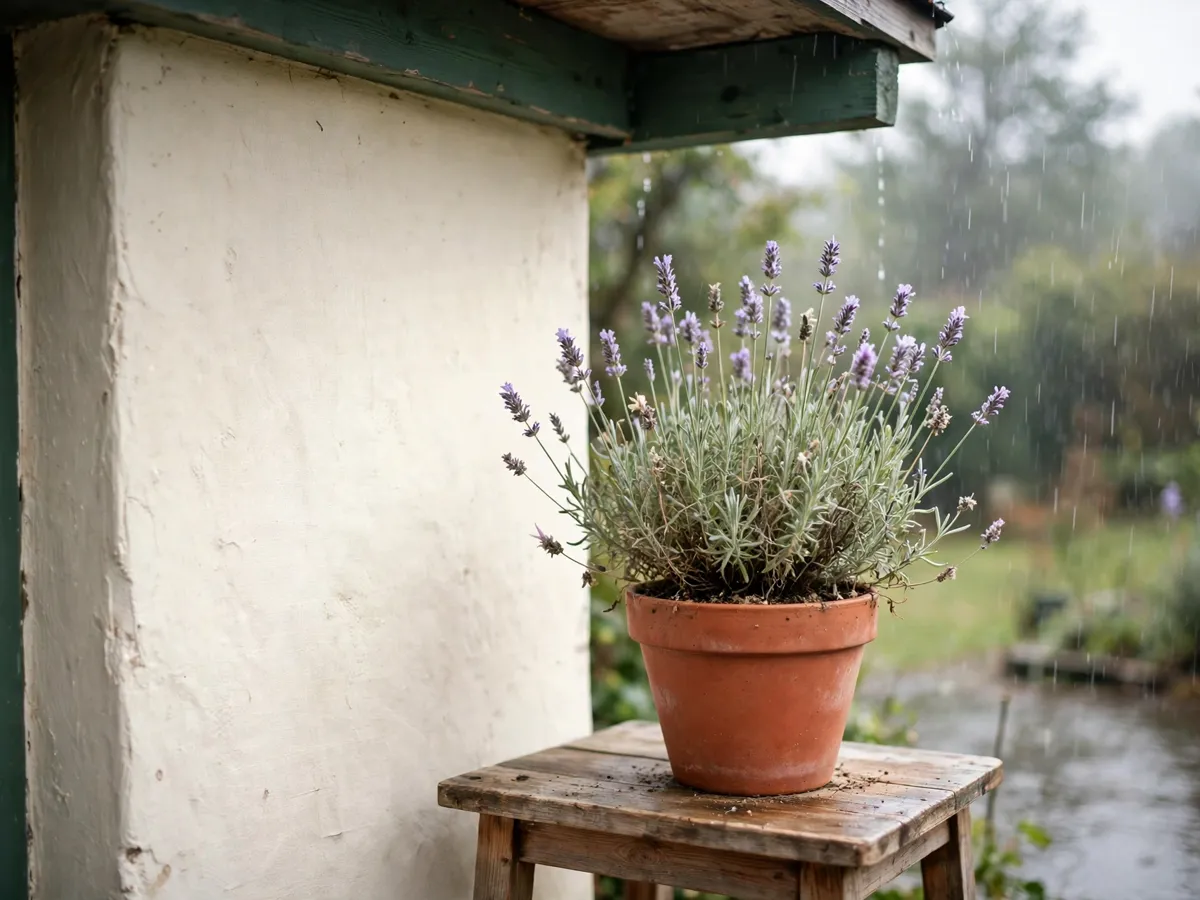
Indoor lavender earns its keep outside. From late spring, after the last frost date for your area, through early fall, the pot belongs in full sun on a balcony, a step or a patio table: that is where the real season of growth happens and where the flower spikes form. A plant kept indoors year-round rarely flowers at all. You spend the year overwintering a sun plant indoors, then sending it outside for the summer.
Move it out gradually. Foliage that has spent months behind glass is soft and sunburns on the first cloudless day, so give it a week of morning sun only, then a week of morning plus late afternoon, then full exposure. Sunburn shows as bleached, dry patches on the leaf surfaces facing the light and sets the season back.
Before the fall move-in, inspect. Check the leaf undersides and the soil surface for hitchhikers, tip the pot and look at the drainage hole, and knock off anything walking. If outdoor life suits you better than the windowsill, the outdoor herb garden ideas guide covers the sunny container setups that give lavender the easier of its two possible lives.
Cost: $0. Time: five minutes to move out, ten to inspect in fall. Caveat: watch the overnight forecast in spring; one late frost can kill the soft new growth.
10. Scent and the bedside question
Plenty of people arrive at indoor lavender for the scent, the calm association, the idea of it on a nightstand. The honest answer starts with the plant. The fragrance comes from oils in healthy foliage and fresh spikes, and a healthy plant produces far more scent than a surviving one.
The bedside lavender is a lovely idea with one catch: the bedroom is usually the dimmest room in an apartment and the worst seat in the house for a full-sun plant. If the bedside window genuinely faces south with nothing blocking it, the plant can work there and the evening scent is the reward. If it faces any other direction, keep the lavender in the brightest window you have.
The renter-friendly win is dried stems. Cut flower spikes at their peak, hang them upside down in a dry room for about two weeks, and the scent holds for months: loose in a small bowl or sewn into a linen sachet. Drying is also the consolation prize of an attempt that never flowered well: even one spike dries beautifully.
Cost: $0–$5 for twine and a cotton sachet bag. Time: ten minutes to cut and hang. Caveat: dried homegrown stems carry a light natural scent, not the concentrated strength of manufactured fragrance products.
11. What goes wrong, and what each sign means
The failure list for indoor lavender is short and legible. Three problems cover most of it.
- Pale, leggy growth with long gaps between leaf pairs. Low light. The plant is reaching. The fix is a better window or a supplemental lamp, never more water and never more feed. If no brighter window exists, lavender will not work in that apartment.
- Sudden collapse, stems softening at the base, a swampy smell from the pot. Wet winter soil. The roots sat in moisture the slowed plant was not using. Slide it out and look: white and firm roots are alive, brown and soft are gone. Trim the soft parts, repot what remains into fresh dry gritty mix, and water almost not at all while it recovers.
- A woody, bare base with leaves only at the tips. Skipped pruning. Over years the plant pushed its canopy outward on an untrimmed skeleton, and there is no way back down the old wood. The answer is the one-third trim after every bloom season, starting now.
Two smaller complaints. Spider mites appear as fine pale stippling and faint webbing in the leaf joints, usually on plants parked near a heat source; a monthly rinse at the sink handles them. Fungus gnats hover over soil that stays damp; the fix is the same dry-down the plant wanted anyway, and fungus gnats stop breeding once the mix dries. A yellow sticky trap catches the adults.
Reading the plant beats any schedule. A drought signal is a slight dulling and soft droop of the top growth that recovers within a day of watering. A rot signal is stems softening without wilting first.
Cost: $0–$12 for a rescue repot into fresh mix. Time: ten minutes to diagnose. Caveat: a collapsed lavender is usually months of wet soil, not one missed check.
12. Is lavender pet safe?
Lavender is generally considered safe around cats and dogs in normal interaction: a sniff, a brush past the foliage, a cat rubbing a cheek on the pot rim. The plant does not sit on the toxic lists that cyclamen and true lilies occupy.
Concentrated oils are a different matter. Lavender essential oil is processed to a strength far beyond anything the living plant produces, and cats in particular metabolize plant oils poorly. Keep diffusers, oil bottles and oil soaked sachets out of reach. If a pet chews enough of the plant to cause vomiting or an upset stomach, the honest move is a call to the vet rather than reassurance from a care guide.
For the rooms where a pet samples everything, the pet safe low light houseplants guide lists non toxic picks for the dimmer spots where lavender would sulk anyway.
Cost: $0. Time: five minutes to place the pot sensibly. Caveat: this article is care guidance, not veterinary advice; confirm any exposure with your vet or a pet poison line.
Common questions
Can lavender grow indoors year-round?
It can, but it is a maybe rather than a staple. With a south-facing window, a half-and-half grit mix in unglazed terracotta, and a dry winter routine, an English lavender can hold for years. Most indoor lavender fails from low light or winter wet, and a summer outdoors is what turns survival into flowers.
How often should I water an indoor lavender plant?
By weight, not by calendar. In summer, water thoroughly when the pot feels light and a skewer pushed to the bottom comes out dry, which often lands every five to ten days in strong light. In winter, water sparingly and only when the pot is light and the soil is bone dry deep down.
Why is my indoor lavender leggy and pale?
Not enough light. The plant stretches toward whatever brightness it can find, growing long pale gaps between the leaves, and flowering stops entirely. Move it to an unobstructed south-facing window or add a supplemental lamp, then cut back the leggy growth in the annual prune.
Does lavender need direct sunlight indoors?
Yes, hours of it. A south-facing window is the practical minimum, with the foliage close to the glass. East and west windows are marginal and usually hold the plant without flowering it, and a north window does not work in any season. If a room cannot offer direct sun, lavender is the wrong plant for it.
Is lavender safe for cats and dogs?
Generally, yes, in normal interaction; the plant is not on the toxic lists. The concentrated essential oil is a separate matter, and cats handle plant oils poorly, so keep diffusers and oil products away from pets. If a pet eats a noticeable amount or shows an upset stomach, confirm with your vet.
Save these on Pinterest
Pin the light gate and the winter dry rule, the two decisions that decide whether a windowsill lavender makes it to spring. This guide and the rest of the gardening tips live together there.