 Plant As Deco
Gardening & Planting Tips
Cyclamen Care Indoors: Cool Room, Dormancy and Comeback
By Plant As Deco · Updated 22 November 2026
A cyclamen is the winter-blooming houseplant most people receive as a gift in full flower and quietly kill by summer, usually without doing anything wrong. It wants a cool room, careful watering around the crown, and a full summer nap that looks like death but is not. This guide covers what it looks like in a room, the light and watering it needs, how to deadhead it, and the dormancy comeback schedule that keeps the plant from being thrown away while it sleeps.
Weekend-ready: $18–$40 for the plant, a pot with drainage, a bag of mix and a saucer. One afternoon of setup, ten minutes a week during bloom.
1. What a cyclamen looks like in a room
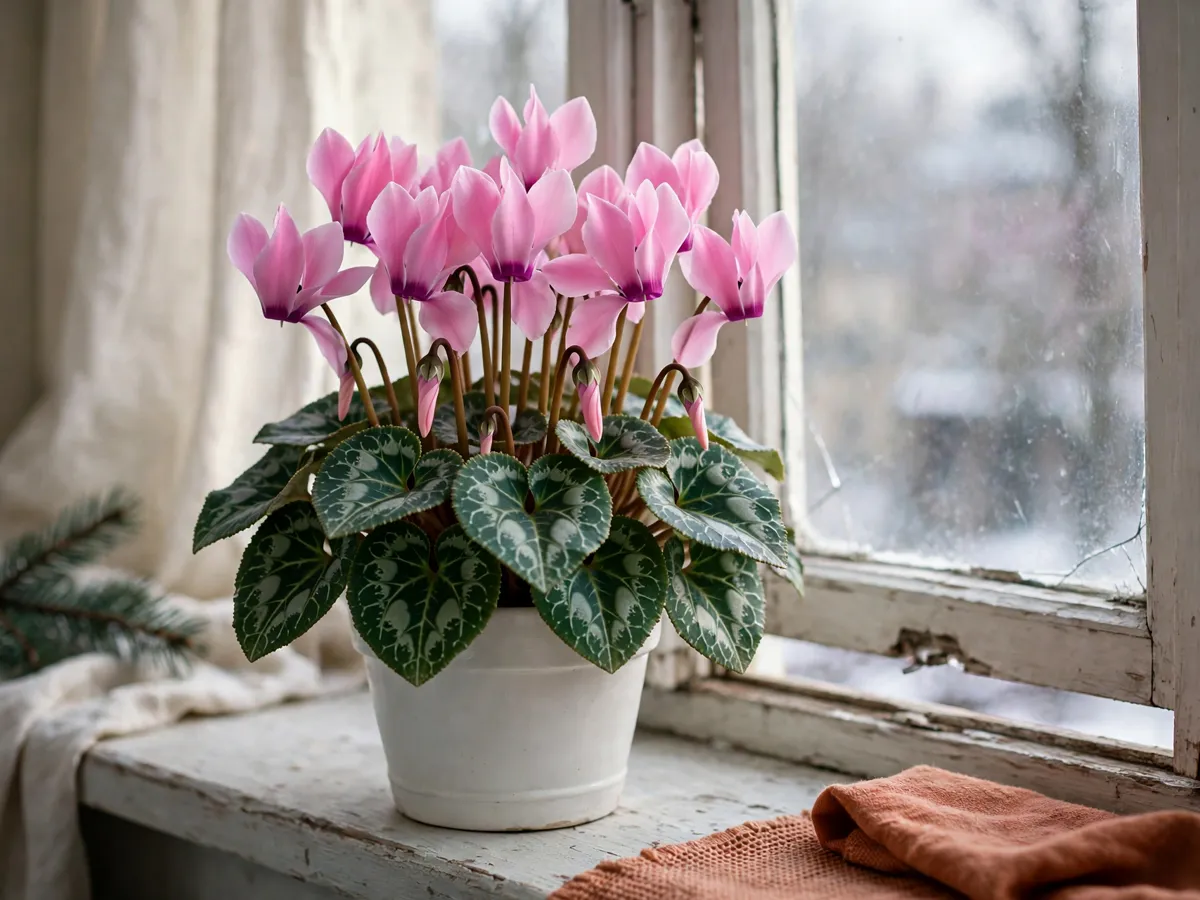
The cyclamen you meet indoors is usually Cyclamen persicum, the florist selection sold in grocery stores and garden centers from autumn through winter. It grows in a low mound roughly six to ten inches tall and wide, and every leaf and flower rises straight out of a round swollen base at the soil surface called a corm. There is no visible trunk or stem to speak of, just the mound.
The leaves are the first thing people fall for. They are heart shaped, glossy green on top, and veined with silver in patterns that vary from plant to plant, like frost printed on the foliage. The flowers stand on thin stalks held above the leaves, and each one has swept-back petals that point down and forward, which is why the plant is often described as looking like a flock of butterflies hovering over the pot. Colors run white, shell pink, rose and deep magenta.
Knowing the corm matters because almost every care decision in this guide comes back to it. The corm is where the plant stores its energy, it is the part that rots when water sits on it, and it is the part that sleeps through the summer and wakes up in the fall. When people say a cyclamen died, what usually died was everything above the corm.
2. The cool room rule
Here is the rule that decides everything else: a cyclamen wants a room between about 55 and 68 degrees F, and it suffers quietly when it is warmer than that. This is a mountain plant, adapted to cool Mediterranean winters, and it is usually blooming indoors at exactly the moment a US home is buttoned up and heated. The heating season is the danger season, not the dark season.
In a warm living room, the flowers fade faster, the flower stalks get floppy, and the plant starts yellowing leaves long before it should. Nothing about that looks like a temperature problem, which is why people blame their watering instead. A cyclamen kept at 70 to 75 degrees F will still live, but it will bloom less, decline sooner, and head into dormancy earlier than one kept cool.
The honest placement is the coolest room in the house. An unheated or lightly heated bedroom, a cool hallway, a bright north-facing entry, or a windowsill that stays under 68 degrees F all beat the cozy warm shelf. The one place a cyclamen should never sit is on or near a radiator, heat vent, wood stove, or the top of a warm appliance. Dry heat rising past the foliage shortens every bloom on the plant. Cool and bright matters more for this plant than beautiful placement, and the winter houseplant care routine is worth reading alongside this, because the season that stresses most houseplants is the one this plant actually enjoys.
Cost: $0 to move the pot, or $10–$15 for a small thermometer if you want to stop guessing. Time: five minutes. Caveat: keep it away from cold drafts below freezing too, not just warm spots.
3. Light: bright but never hot
Indoors, a cyclamen wants bright indirect light, and an east or north window is usually the honest choice. East gives a few gentle hours of morning sun and bright light the rest of the day. North gives steady, mild light all day, which matches the cool-room rule nicely because north windows are also the coolest in the house.
Direct hot afternoon sun through a west or south window is the problem. Thin leaves scorch under it, showing bleached or papery brown patches, and the pot heats up exactly when the plant least wants heat. If your only bright window faces south or west, either pull the pot a few feet back from the glass, filter the sun with a sheer curtain, or give it the window only in the morning and move it for the afternoon. If you are unsure how bright your rooms actually are, the low light indoor plants guide walks through reading window direction first.
Cost: $0 to $8 for a sheer curtain. Time: ten minutes to reposition. Caveat: a dim north corner is better than a hot sunny one for this plant.
4. Watering without killing the crown
The most common way a cyclamen dies is not thirst, it is rot. The leaves and flowers all rise from one point at the top of the corm, called the crown, and if water sits on that crown or on the exposed top of the corm itself, the tissue there softens, collapses, and the whole plant goes with it. Watering is the one skill that decides whether the plant survives the year.
Bottom watering is the safest method. Set the pot in a saucer or basin of water about an inch deep, wait ten to fifteen minutes until the surface of the mix looks damp, then take the pot out and let it drain fully. The soil wicks water upward, the crown and corm stay bone dry, and the roots get what they need. Empty the saucer every time; a pot left standing in water reabsorbs it and rots from below.
If you prefer watering from above, use a narrow-spout can and pour at the edge of the soil, between the pot wall and the leaves, aiming at the soil and never over the center of the plant. Keep the top of the corm dry wherever it peeks out of the mix. Either way, check first: push a finger into the top inch of soil, and water only when it feels dry. In a cool room a six-inch pot often goes four to seven days between waterings.
Two supporting rules make the watering work. First, the pot needs a drainage hole, without exception; a cyclamen in a sealed cache pot is sitting in its own runoff, and the roots suffocate in a week or two. Second, learn the yellowing signal: a single yellowing leaf among dozens is normal turnover, but soft, yellowing foliage across the plant while the soil is still damp means you are watering too often, not too little. Ease off and let the top inch dry before the next watering.
Cost: $0 to $12 for a narrow-spout can and saucer. Time: fifteen minutes including the soak. Caveat: never leave the pot sitting in the saucer water after it has soaked.
5. Humidity, honestly
A cyclamen likes mild air moisture, and heated US homes sit drier than it enjoys in winter. But the honest fix list is shorter than the internet suggests. The useful option is a pebble tray: a saucer wider than the pot, filled with pebbles and water to just below the top of the stones, with the pot resting on the pebbles. The water evaporates around the foliage and raises the immediate humidity a few points. It is gentle, cheap, and the pot never actually sits in the water, so the drainage hole stays dry.
What a pebble tray does not do is turn a warm dry room into a cool one. If the plant is unhappy because the room is 72 degrees F, more humidity will not save it; move the pot. Airflow matters too: a plant crammed against a radiator with still, hot air is worse off than one in a cool room with ordinary air movement. Leave a little space around the foliage and keep it out of the direct blast of vents.
Misting is the one method to skip. The water sits on the leaves and in the crown, which is exactly where this plant rots, and the moisture evaporates within minutes without changing the room. Spray bottles are for pests, not humidity, and the care of houseplants routine covers the wider humidity options if you want them.
Cost: $0 to $10 for a pebble tray. Time: five minutes. Caveat: top the tray up weekly and clean it occasionally so it does not become stagnant.
6. Feeding: half strength, in leaf only
A cyclamen only needs food while it is actively growing, which indoors means the stretch when it is in leaf and flower. Feed with a balanced liquid fertilizer diluted to half the label rate, roughly every third or fourth watering, poured into damp soil. Skip any feed that lands on the leaves or crown; wipe it off with a damp cloth if it does.
Once flowering finishes and the leaf count starts dropping into dormancy, stop feeding entirely and do not resume until you see real new leaf growth in the fall. Feeding a plant that is sleeping only builds up unused salts in a small pot of soil, and salt buildup burns what few roots are still working. For the wider rules, the indoor plant food guide covers the three numbers on the bottle and the seasonal schedule.
Cost: $8–$15 for a bottle that lasts a year. Time: two minutes. Caveat: fresh potting mix already carries nutrients, so a newly repotted cyclamen needs no feed for a couple of months.
7. The bloom fade: deadheading and the honest decline
Most cyclamen bloom for a long stretch, but individual flowers fade one by one over weeks. When a flower goes over, it turns papery, the stalk begins to kink, and the whole spent flower should come off at the base. Do not cut it with scissors: grip the faded flower stalk near the soil and give it a firm, quick twist and pull, and it separates cleanly from the corm without leaving a stub that could rot. The same twist-pull works for yellowing leaves later in the season. A tidy plant channels its energy into the buds still coming, and there are often several months of bloom still ahead when you deadhead properly.
Here is the honest part. These are florist selections, bred for one spectacular first winter, and even with perfect care many will bloom less impressively in their second year than they did on the shop shelf. Some decline anyway, thinning out year by year, and that is not a care failure; it is what the plant was bred for. If the comeback below works, you have a durable winter companion. If the plant fades despite cool rooms, careful watering, and a proper rest, treating it as a long bouquet that earned its keep is a reasonable and honest outcome. Keeping one going past the first bloom is a patient hobby, not a test you failed.
Cost: $0. Time: two minutes a week during bloom. Caveat: if a twist-pull tears and the crown bleeds, stop deadheading and let the stub dry out on its own.
8. Summer dormancy: the part nobody warns you about
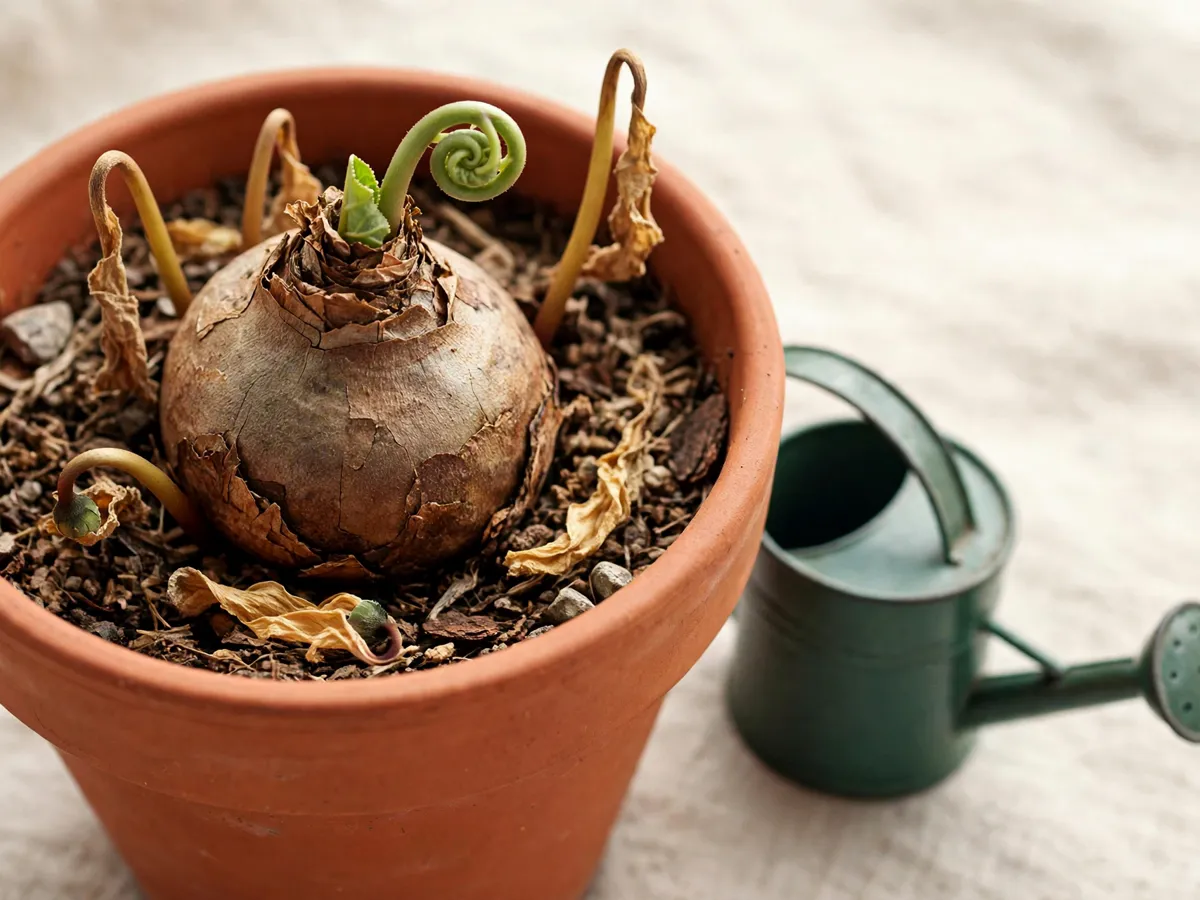
Now the center of this guide. As days lengthen in late spring, a healthy cyclamen starts winding down: blooming slows, then stops, and then the leaves begin yellowing and flopping one by one until every leaf is gone. Most people read that as a dying plant, water it harder or throw it away, and both responses are wrong. The plant is going dormant, which is its normal yearly cycle, and it does this even with careful, complete care.
Your job during the fade is to water less, not more. As the last leaves yellow, stretch the watering interval until you are giving only a small splash at the pot edge every few weeks, just enough that the corm does not shrivel to nothing. Then, when every leaf has died back and the pot holds nothing but a bare corm in dry soil, stop watering completely.
The resting corm wants to be cool, dry, and dark for about two to three months through the heat of summer. Leave the corm in its pot of dry mix and put the pot somewhere that stays cool and out of the sun, such as a cool basement corner, a shaded garage shelf, or a closet on the cool side of the house. The one non-negotiable is water: a soaked dormant corm rots, and that rot is final. The winter houseplant care guide covers the opposite end of the year, the season when this plant is wide awake while everything else in the room is napping.
Cost: $0. Time: five minutes total across the summer. Caveat: check the pot once a month and flick out any fungus gnats before they settle in.
9. The comeback schedule: waking it in early fall
In early fall, when nights turn cool, bring the pot back out and wake the corm on purpose. This is also the natural moment to repot, since the plant is bare and easy to handle; the next section covers the exact method if you choose to. The steps themselves are simple.
- Early September, roughly. Move the pot to a cool, bright spot, an east or north window in a room under 68 degrees F, and give the soil its first light watering, just a splash at the edge or a short bottom soak. Do not drench it.
- Wait through the slow weeks. Nothing visible happens for a while, and this is where people give up. The corm wakes from the top, so keep the mix barely moist, watering only when the top feels dry, never soaked.
- Look for the first leaves. Small crinkled leaves push up from the corm, usually within a few weeks of the first water, sometimes slower. Once several leaves are up, return to the normal watering rhythm from section 4.
- Resume the full routine. Cool room, bright indirect light, feed half strength roughly every third watering once growth is steady. Flower buds follow the leaves later in autumn, and the plant is back on the winter cycle.
The honest framing: a cyclamen you saved through dormancy will usually bloom later in the season and lighter than the florist plant you started with, and some will never quite match their first performance. Others settle into a rhythm you can keep for years. Either way, the plant was not dead in July, and the comeback is worth one shelf of patience.
Cost: $0, or $8–$12 for fresh mix if you repot at the same time. Time: ten minutes, then patience. Caveat: if the corm is mushy or smells sour in September, it rotted in storage and no schedule brings it back.
10. Yellow leaves and other alarms: reading the leaf
Yellow leaves are the message a cyclamen sends most often, and they mean three different things depending on the season and the soil. Read the situation before you act.
- Yellow leaves while the soil is constantly wet. Overwatering, heading toward crown or corm rot. The base of the leaf stalks softens, the crown feels mushy, and there may be a sour smell. Stop watering, let the pot dry far more than feels comfortable, and twist off the collapsed leaves. If the corm top has gone soft, the damage is usually done and the plant rarely returns.
- Yellow leaves in late spring with fewer blooms. Dormancy starting, exactly on schedule. See sections 8 and 9: taper the water, let it sleep, wake it in the fall.
- Yellow leaves in mid-winter in a warm room. Heat stress. The plant is being kept at room temperature it can barely tolerate, often beside a radiator. Move it to the coolest bright spot you have and it usually steadies within a couple of weeks.
- Wilting with dry soil. Simple thirst, the one easy fix. Give it a bottom soak and it should perk up within a day.
- Sticky residue, fine webbing, or curled new growth. Pests rather than care, most often mites in dry warm air. The indoor plant pests guide covers the wash-and-repeat fixes that work indoors.
Cost: $0. Time: five minutes a week. Caveat: one yellow leaf on a full plant is normal turnover, not an alarm.
11. Repotting: shallow and wide, corm at the surface
Cyclamen like shallow, wide pots rather than deep ones, because the roots spread sideways and the corm sits at the surface. Repot every one to two years, at the fall wake-up when the plant is bare and at its most handleable. Go up only one pot size, an inch or so wider, and use a light general-purpose houseplant mix rather than dense garden soil.
The one measurement that matters is depth. Fill the pot so the corm sits with roughly its top half above the soil line, the round disc peeking out like a bare shoulder. Planting it deep is the classic mistake; buried corms stay damp, stay cold, and rot. Water lightly after repotting and keep the mix only just moist until the first leaves appear, exactly as in the comeback schedule. The general repotting a houseplant one size up guide covers pot sizing for plants in general.
Cost: $8–$15 for a pot and a bag of mix. Time: twenty minutes. Caveat: handle the corm by the sides, never press on its top.
12. Are cyclamen pet safe? No
Cyclamen is toxic to cats and dogs, and this needs to be said plainly. The plant contains compounds called saponins, and the highest concentration sits in the roots and the corm, the part of this plant most likely to be dug at by a curious pet. Chewing leaves or flowers can cause drooling, vomiting and diarrhea; eating a piece of the corm is the serious exposure and can cause severe illness, including abnormal heart rhythm, so a suspected corm bite is a call the vet right now situation, not a wait-and-see one.
The details matter in a small apartment. Fallen petals and spent flowers still carry some of the toxins, so deadhead into the trash, not onto the floor, and sweep up dropped petals before a cat finds them. If you share a home with pets who chew, place the pot high and out of reach, or choose a different plant entirely; the pet safe low light houseplants guide lists non-toxic options that suit the same dim cool rooms, and the keeping cats out of indoor plants guide covers the deterrents that work if your cat treats every pot as a salad bar.
Cost: $0. Time: five minutes to place the pot safely. Caveat: this article is care guidance, not veterinary advice; confirm exposure with your vet or a pet poison line.
Common questions
Why is my cyclamen dying in the summer?
It is probably not dying, it is going dormant. Cyclamen bloom in winter and drop all their leaves in late spring, then rest for two to three months as a bare corm. Taper the watering as the leaves yellow, stop watering entirely once they are gone, and store the pot somewhere cool and dry. In early fall, water lightly and move it back to a cool bright window, and new leaves should follow.
How often should I water a cyclamen indoors?
Only when the top inch of soil feels dry, which in a cool room is often every four to seven days during bloom. Water from below by soaking the pot in a saucer for ten to fifteen minutes, or pour with a narrow spout at the soil edge, keeping the crown and the top of the corm dry. Never leave the pot standing in water, and never soak a leafless dormant corm.
What temperature does a cyclamen like indoors?
Somewhere between 55 and 68 degrees F. It tolerates ordinary room temperatures but declines faster in warm rooms: blooms fade quicker, stalks go floppy, and leaves yellow early. A cool bedroom, hallway or north-facing room beats the cozy shelf, and a spot beside a radiator or heat vent is the worst seat in the house.
Should I cut off dead cyclamen flowers?
Yes. Grip each faded flower stalk near the soil and give it a firm twist and pull so it separates cleanly at the base, rather than cutting and leaving a stub that can rot. Do the same for yellowing leaves. Regular deadheading keeps the plant tidy and helps it put energy into the buds still to come.
Are cyclamen safe for cats and dogs?
No. Cyclamen is toxic to cats and dogs, with the strongest concentration in the roots and corm. Chewing leaves or petals can cause drooling, vomiting and diarrhea, and eating part of the corm is a serious exposure that warrants a call to the vet immediately. Keep the plant out of reach, sweep up fallen petals, and choose a non-toxic plant if your pets chew everything.
Save these on Pinterest
Pin the cool-room placement rules and the dormancy comeback schedule, the two things that decide whether a gift cyclamen sees a second winter. This guide and the rest of the gardening tips live together there.